Tiếng Việt
Periodontal disease: what you need to know and effective treatment
Periodontitis is a chronic inflammatory disease that leads to the gradual destruction of the supporting structures of the teeth (including the gums, periodontal ligaments, alveolar bone, and cementum). The disease progresses in stages and, if left untreated, will lead to tooth loss, greatly affecting the patient’s chewing function, aesthetics, and quality of life.
What causes periodontal disease?
The main cause of the disease is the accumulation of pathogenic bacteria on dental plaque. In addition, there are a number of other favorable factors such as crowded teeth, improper dental restorations, abnormal tooth root anatomy… Systemic diseases that reduce the resistance of the area around the teeth such as impaired immune function (HIV, leukemia), obesity, diabetes, hormonal changes… are also risk factors for periodontal disease. Environmental factors such as smoking, diet, stress…
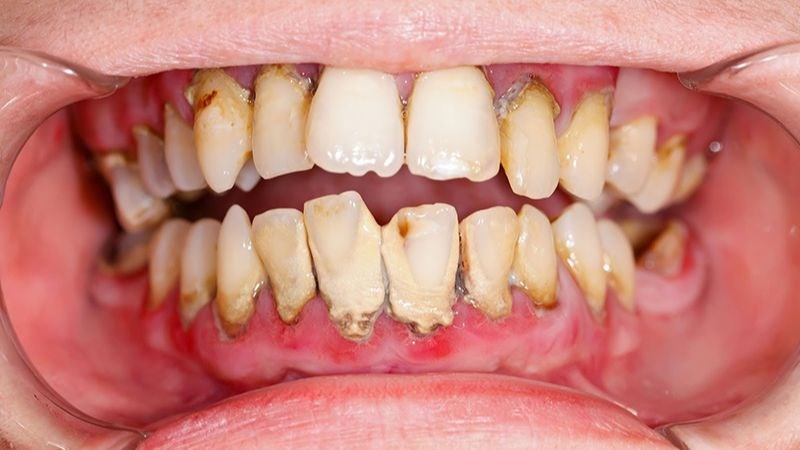
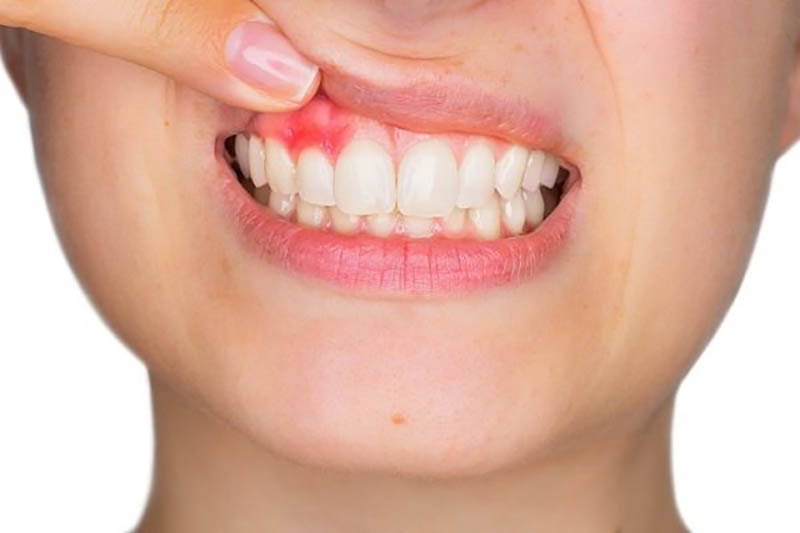
Signs of periodontal disease
– Bad breath
– Pain: There may be localized dull pain due to the impact of food impaction and acute pain found in periapical abscesses.
– Gums: Swollen, red, bleed easily when touched, secrete a lot of fluid in the gum pocket, may have pus
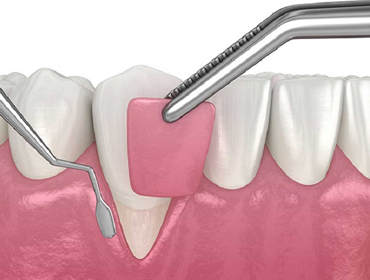
– Gum recession: when inflammation of the gum tissue causes degeneration of the connective tissue and is a consequence of bone loss, destruction of the periodontal ligament
– Loose teeth, if severe can lead to tooth loss
– Toothache
– Periodontal pocket
– Loss of attachment around the tooth: a consequence of bone and ligament loss around the tooth
– X-ray film: shows alveolar bone loss
– Phim Xquang: có hình ảnh tiêu xương ổ răng
Treatments for periodontitis
Control of dental plaque and risk factors is the goal of treatment for periodontal disease. This includes the following measures:
* Local treatments
– Remove local irritation: Clean tartar , plaque, smooth tooth root surface and remove risk factors.
– Anti-inflammatory: Use topical medication
– Stimulates and activates the circulatory system of the tissue around the teeth
* Systemic treatments
– Systemic antibiotics in some cases such as acute inflammation or persistent illness.
– Increase body resistance
* Surgery:
– Flap surgery: When periodontal disease is severe, with a pocket depth of ≥ 5mm. The purpose of surgery is to access the root surface in the pocket, remove or reduce the pocket depth.
– Periodontal tissue regeneration surgery: aims to regenerate part of the destroyed soft tissue and bone after the inflammation has stabilized.
How to prevent effectively?
– Improve oral hygiene by brushing your teeth at least twice a day
– Use dental floss and a water flosser daily to clean between teeth, places that toothbrushes cannot reach.
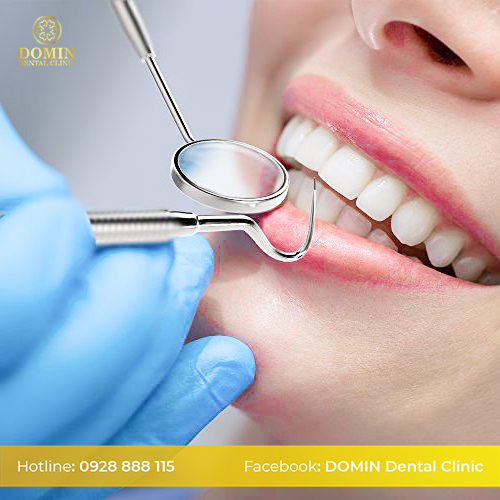
– Regular dental check-ups every 3-6 months for early detection and treatment.
For direct consultation, readers can click here.