Tiếng Việt
What is tartar? Why do we need to remove tartar?
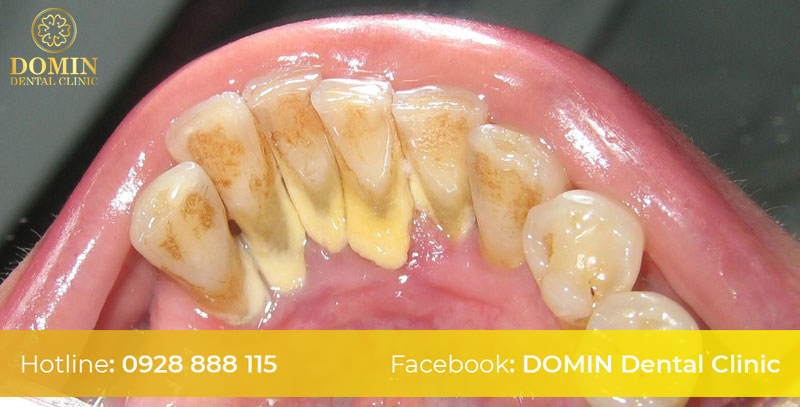
According to some dental studies, bacteria account for up to 70% of the weight of tartar. At the same time, brushing your teeth every day can only remove a thin, soft layer of plaque.
Over time, the salt compounds that exist inside the salivary glands and the remaining food residue will create conditions for the tartar layer to become thick, hard and adhere to the tooth root or even the gum line. Meanwhile, tartar is the cause of gingivitis, bleeding gums, etc. With this condition, you should go to the dentist to have your teeth cleaned and scaled to prevent the development as well as completely remove bacteria hiding in the tooth root and gums.
Many years ago, people often paid little attention to scaling their teeth, but this was the reason for some unusual symptoms in the mouth. Typically, bad breath, bleeding gums, periodontitis, toothache, etc.
In addition, tartar is also a factor that causes retrograde pulpitis. Meanwhile, bacteria hidden in tartar are the cause of a number of diseases such as tonsillitis, mouth ulcers, pharyngitis, etc. Therefore, every year, everyone should have a regular dental check-up and make sure to remove tartar at least once a year. Proactively removing tartar every year will help you reduce the risk of thick tartar build-up and causing inflammation to many surrounding parts.
Does scaling hurt?
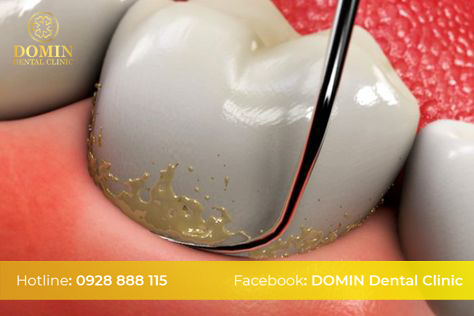
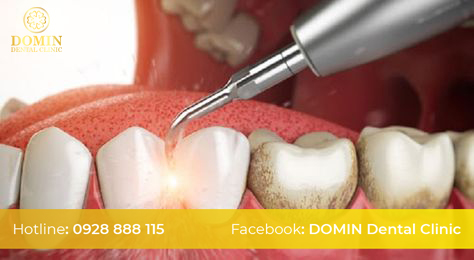
Many readers wonder if scaling causes pain or leaves any complications? In fact, scaling is just an external impact to remove all tartar and does not leave any serious effects on health. For the first time or if you have sensitive teeth, you may feel a little pain in your teeth during the scraping process. However, do not worry too much because this condition will disappear within 12 – 36 hours without the need for medical intervention.
Some people feel confused when their gums bleed during scaling. However, this is just a normal symptom because the tartar layer is too thick and sticks deep into the tooth root, so the process of scaling will slightly affect the gums. In addition, people with sensitive teeth are often prone to bleeding gums when there is an external impact.
Things to note after scaling
-
Do not use foods or drinks that contain a lot of ice or are too hot.
-
Absolutely do not smoke, do not drink dark colored drinks such as tea, coffee, smoothies (carrot),…
-
In cases where your teeth are not healthy, your doctor will prescribe medication. Therefore, you should follow your doctor’s instructions.
-
Make sure to follow up as required by your doctor to easily monitor the effectiveness and progress of your teeth after completing treatment.
How much does it cost to remove tartar?
Most dental clinics and hospitals offer dental scaling services , but you should research carefully and choose a quality, reputable location to place your trust in. At Domin Dental, the price for dental scaling is often not fixed and depends on many factors. For example:
-
Tartar thickness: depending on the amount of tartar in each patient, the doctor will give a suitable price. For example, for those with little tartar, the cost of tartar removal service will be lower. Or for those who have tartar removal for the first time with thick, hard and heavy plaque, the price will be higher. The cost for each tartar removal will range from 120,000 – 300,000 VND.
- When using other services at Domin Dental, you will receive free periodic scaling.
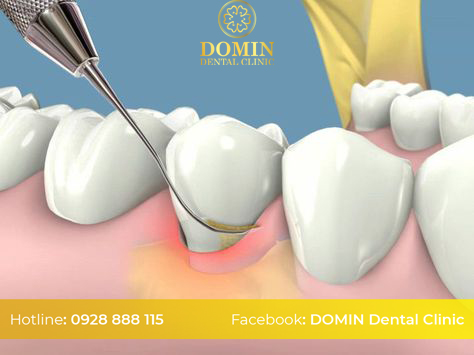
Solutions to limit tartar formation
-
Choose a soft toothbrush of the right size and good toothpaste, especially those containing Fluoride.
-
Limit the use of toothpicks because they can easily damage the gums and teeth. Instead, you can use products such as dental floss to clean up food residue.
-
Brush your teeth at least twice a day and use some supporting products such as mouthwash, diluted salt water, etc.
-
Comply with regular dental check-ups and examinations every 6 months. Also, have your teeth scaled at least twice a year.
-
When you notice unusual symptoms, you should proactively see a doctor for examination, determine the cause and treat the disease early.
In addition to daily activities, you should also change your diet to protect your oral health. Specifically:
-
Limit carbonated drinks and greasy foods.
-
Do not eat foods that are too cold or too hot, especially those with sensitive teeth or tooth enamel wear or tooth sensitivity.
-
Limit the use of foods that contain coloring agents, are difficult to clean, and easily stick to the teeth. Typically, these include gummy candies, chocolate, cookies, etc.
-
Add more foods that are good for your teeth, such as eating lots of vegetables because fiber helps clean teeth and keeps them strong.
-
Build and maintain a scientific diet, do not eat too much food containing sugar and starch.


Frequently asked questions about dental scaling
Doctors recommend regular scaling to keep teeth healthy and prevent disease. However, do not overuse scaling to avoid damaging teeth. Therefore, scaling should only be done every 3-6 months
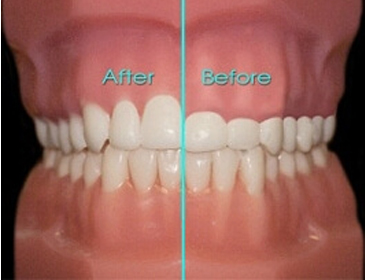
Scaling does not usually whiten teeth. Scaling is done to remove plaque and calculus from the tooth surface, helping to clean and maintain oral health.
For direct consultation, readers can click here.