Home » Kiến thức EN » Which Type of Porcelain Veneers Is Best? Top 4 Most Popular Veneer Options Today
Which Type of Porcelain Veneers Is Best? Top 4 Most Popular Veneer Options Today
Last updated: 11/18/2025
Which type of porcelain veneers is best? There is no single “best” veneer for everyone—only the one that best suits your teeth and smile. The differences lie in material, thickness, color, and durability. So, which option is truly worth the investment?
Criteria for choosing the best type of veneers
To determine which veneers are most suitable for each individual, dentists at Domin Dental Clinic recommend considering the following key factors:
Thickness and ability to preserve natural tooth structure
Choose ultra-thin porcelain veneers to minimize tooth reduction and preserve natural tooth structure.
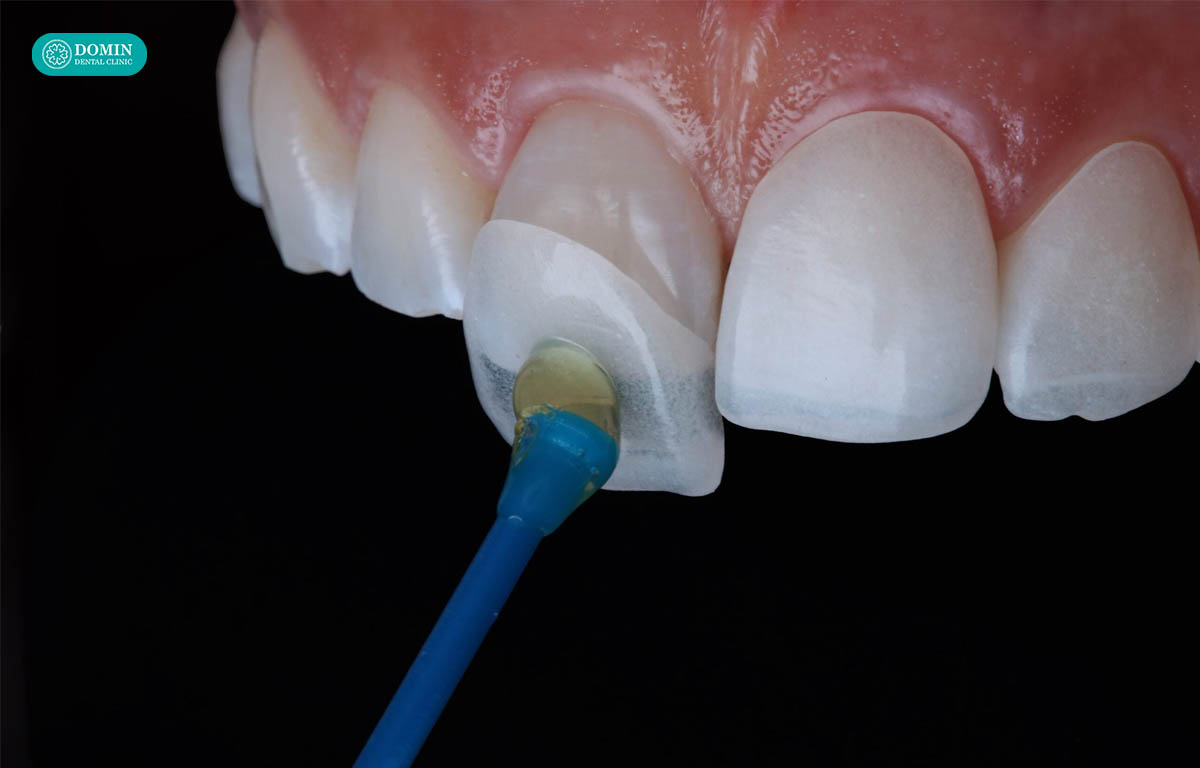
One of the most important criteria in determining which type of porcelain veneers is best is the level of natural tooth preservation. Veneers are developed based on a minimally invasive philosophy, meaning that instead of reducing the entire tooth as in crowns, the dentist only performs minimal preparation on the enamel surface to bond an ultra-thin ceramic layer.
Therefore, veneer thickness is a key factor that determines both the quality and longevity of the restoration. A high-quality veneer must be thin enough to minimize tooth reduction, yet strong and stable enough to withstand chewing forces. Premium veneers such as Emax Press or Lisi are typically only 0.1–0.3 mm thick, allowing the tooth to retain almost all of its natural enamel.
Preserving natural enamel not only maintains the biological structure of the tooth but also enhances bonding strength. Adhesive bonds more effectively to enamel than to dentin, reducing the risk of debonding or fracture over time. Additionally, enamel preservation helps maintain a natural chewing sensation and minimizes post-treatment sensitivity.
From a professional perspective, veneers can only be considered “good” when they achieve the perfect balance between aesthetics, durability, and tooth preservation. Veneers that are too thick require excessive tooth reduction, while those that are too thin without sufficient material strength are prone to cracking.
Therefore, choosing thin yet durable veneers—combined with precise preparation techniques and advanced fabrication technology—is the key factor for long-term success in veneer treatment.
Choose high-quality ceramic materials
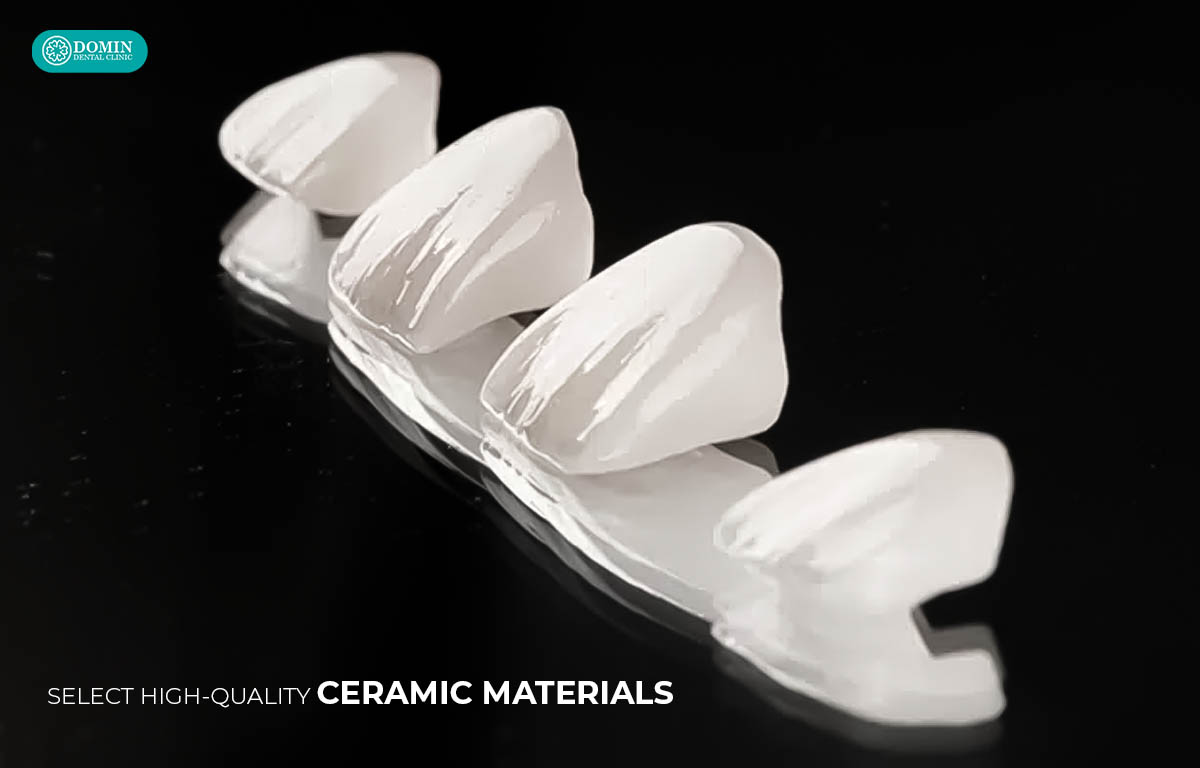
A veneer is only truly considered high-quality when the ceramic material meets two key criteria: high mechanical strength and natural aesthetics. This is the “core” of the restoration, determining translucency, color, light reflection, and the long-term durability of the veneer.
In modern dentistry, the most commonly used material for veneers is lithium disilicate ceramic, with a typical example being Emax Press. This material has a dense crystal structure, excellent strength (around 400–500 MPa), and high translucency that closely mimics natural enamel. As a result, veneers do not appear opaque or artificially white, but instead create a subtle, lifelike translucency and light reflection, making the smile more harmonious and vibrant.
In contrast, veneers made from low-quality ceramics or composite materials often appear dull, have poor light reflection, and are more prone to discoloration over time.
Color and harmony with natural teeth
In aesthetic dentistry, color is the first factor that determines the impression of a smile. Even with high-end materials, a veneer that does not harmonize with natural teeth, gums, and facial features will still look unnatural. Therefore, color matching and natural integration are essential criteria for evaluating veneer quality.
High-quality veneers are typically designed with a multi-layered structure, closely replicating natural tooth anatomy: a translucent enamel layer on the outside, a slightly yellowish dentin layer underneath, and a slightly darker cervical area. This layered design creates depth and a natural “translucent effect” under light—something that low-cost veneers with only 1–2 color layers cannot achieve.
In addition, premium veneers should exhibit fluorescence and light reflection similar to natural enamel. Under natural or artificial lighting, real teeth show a subtle glow. If veneers lack this property, they may appear dull, lifeless, and obviously artificial. Conversely, veneers with natural light-reflecting properties create a brighter, more natural-looking smile.
Beyond material quality, shade selection in the dental laboratory is also crucial. Dentists and technicians must closely collaborate to choose the most suitable shade for each individual, typically based on international shade guides such as A1, A2, A3, BL2, BL3, etc. Choosing an incorrect shade—especially one that is too white compared to the natural teeth or skin tone—can result in an unnatural, mismatched appearance.
Marginal fit and biocompatibility
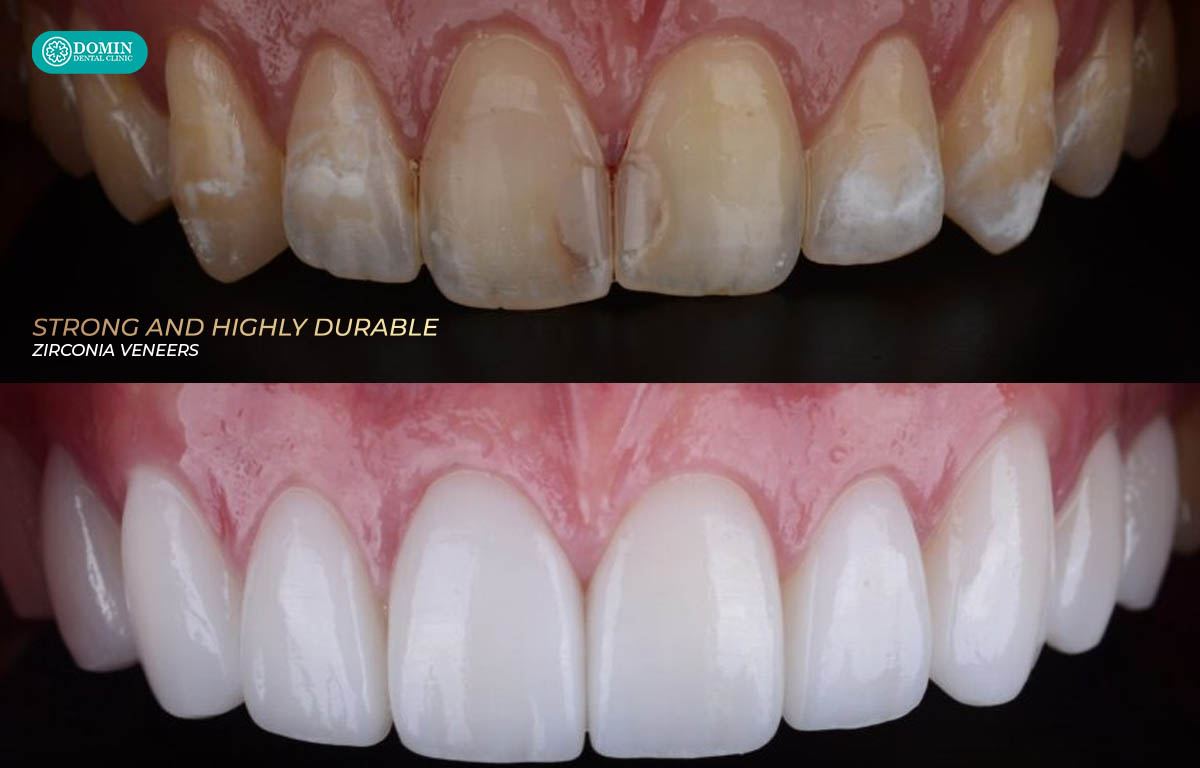
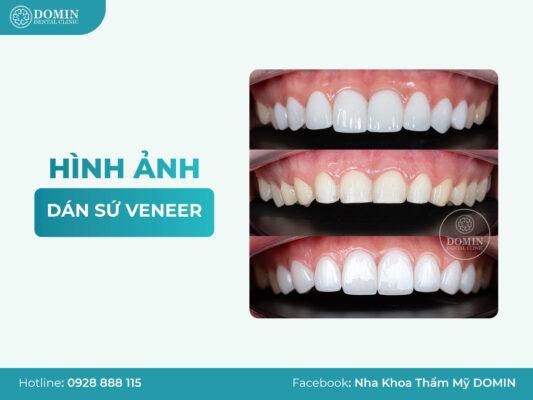
Before and After Porcelain Veneers
This is a crucial factor that determines the longevity of veneers and long-term gum health. Even if a veneer is made from high-quality materials, if it does not fit precisely along the gum margin, it can lead to various issues such as food impaction, gum inflammation, gum recession, and dark margins over time.
To achieve this level of precision, high-quality veneers must be fabricated with micron-level accuracy, typically using CAD/CAM technology or advanced 3D digital scanning systems. These technologies allow for precise replication of tooth shape and gum contours for each individual tooth.
In addition, biocompatibility is an important criterion that only premium ceramic materials can meet. These materials do not irritate soft tissues, allowing the gums to adapt naturally around the veneers without redness, inflammation, or discoloration over time.
Popular types of porcelain veneers
Today, there are various types of veneers available on the market, each with its own characteristics and advantages, suitable for different dental conditions. Below are some of the most popular veneer options, highly regarded for both durability and aesthetics.
Emax porcelain veneers
Emax porcelain veneers are a top choice for achieving a natural-looking and long-lasting smile.
Emax veneers are made from lithium disilicate glass-ceramic, a material well known for its high translucency, strong mechanical properties, and light reflection similar to natural enamel. This is one of the most premium and widely preferred veneer options in modern cosmetic dentistry.
Structurally, lithium disilicate has a dense crystalline composition, allowing Emax veneers to be both ultra-thin (0.2–0.5 mm) and 2.5–3 times stronger than natural enamel. As a result, minimal or even no tooth reduction is required, helping preserve maximum natural tooth structure.
In terms of aesthetics, Emax is highly regarded for its ability to mimic natural enamel. Under light, it provides a translucent, bright appearance with natural fluorescence—avoiding the opaque or artificial look often seen in lower-quality materials. This ensures that the smile remains soft and natural in all lighting conditions.
Regarding durability, despite its thinness, Emax veneers can withstand forces of around 400 MPa, comparable to natural chewing strength. When properly bonded and well-maintained, they can last 10–15 years or longer.
Emax veneers are suitable for cases such as mild discoloration, small gaps, chipped teeth, or irregular tooth shapes. They are an ideal choice for those who want to enhance their smile while preserving as much natural tooth structure as possible, with minimal intervention.
Lisi porcelain veneers
Lisi veneers help you achieve a clear, natural-looking smile just like real teeth.
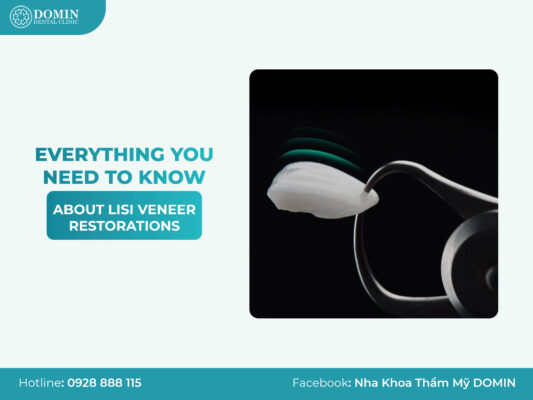
Lisi veneers are made from a next-generation lithium disilicate material, similar to Emax but enhanced in brightness, translucency, and light-reflecting properties. Lisi is considered a top choice for those seeking a natural, refined smile that looks indistinguishable from real teeth.
Lisi veneers feature a special crystalline structure, processed at high temperatures to improve bonding strength and reduce the risk of fracture. With an average thickness of only 0.2–0.4 mm, they are thinner and lighter than traditional ceramics, allowing maximum preservation of natural tooth structure.
The most outstanding feature of Lisi is its excellent optical performance. The color is designed with multiple ceramic layers, mimicking natural enamel to create depth and realistic light reflection. Under both artificial and natural lighting, the teeth maintain a clear, translucent appearance without looking dull or gray.
In terms of durability, although optimized for aesthetics, Lisi veneers still offer a strength of approximately 400–450 MPa, sufficient for stable chewing function in the anterior region. When properly fabricated and bonded, Lisi veneers can last 10–15 years while maintaining their original beauty.
Lisi veneers are suitable for cases such as mild discoloration, moderate tetracycline staining, chipped or worn edges, or irregular tooth shapes. They are especially favored by individuals who prioritize a highly natural look while preserving their unique smile characteristics.
Celtra porcelain veneers
Celtra veneers represent a modern hybrid ceramic, made from zirconia-reinforced lithium silicate, combining the natural translucency of glass ceramics with the strength of zirconia. This makes Celtra a versatile option that offers both high aesthetics and superior durability.
Structurally, Celtra has a unique microcrystalline composition that reduces brittleness, improves flexibility, and enhances resistance to cracking under pressure. With an average thickness of 0.3–0.5 mm, Celtra veneers are thin enough to preserve natural tooth structure while still strong enough for areas exposed to higher biting forces (such as canines or lateral incisors).
With natural translucency and light-reflecting properties similar to real enamel, Celtra veneers create a bright yet natural-looking smile without the artificial “porcelain” appearance. Compared to Emax or Lisi, Celtra offers a more neutral tone and softer light reflection, making it ideal for those who prefer a natural look rather than overly bright white teeth.
In terms of strength, Celtra veneers can withstand forces of up to 500 MPa, higher than typical glass-ceramic veneers. This significantly reduces the risk of chipping or fracture during chewing and ensures long-term durability.
Laminate veneers
Laminate Zirconia veneers are made from solid zirconia, known for their exceptionally high mechanical strength and excellent resistance to staining. This makes them an ideal choice for patients who prioritize durability and long-term stability over ultra-high translucency.
Zirconia is a premium ceramic material with a dense, ultra-fine crystalline structure, allowing it to withstand forces 4–5 times greater than natural teeth, with minimal risk of cracking or chipping during chewing. The thickness of laminate zirconia veneers typically ranges from 0.4–0.6 mm, slightly thicker than glass-ceramic veneers like Emax or Lisi due to their dense structure.
In terms of aesthetics, zirconia has a slightly higher opacity, so its translucency is not as high as Emax or Lisi. However, with modern multi-layer coating technology, zirconia veneers can still achieve a natural brightness without appearing dull or artificial like older generations. Notably, they are highly resistant to discoloration and are not affected by food, coffee, tea, or smoking.
These veneers can be used for both anterior and posterior teeth, especially in areas subjected to high chewing forces. With proper care, their lifespan can reach 15–20 years.
Laminate Zirconia veneers are suitable for patients with weak enamel, heavily worn teeth, or bruxism, as well as those who need restorations in high-load areas or prioritize durability and long-term color stability over maximum translucency.
Which type of porcelain veneers is best?
In reality, there is no single “best” type of veneer for everyone—only the most suitable option based on individual dental conditions and aesthetic goals.
However, based on criteria such as durability, aesthetics, and tooth preservation, premium veneer systems like Emax, Lisi, and Celtra are currently considered the top choices by dental experts.
A professional consultation and examination are necessary to choose the most suitable type of veneer.
In essence, lithium disilicate glass-ceramic veneers (such as Emax and Lisi) have a unique microcrystalline structure that allows them to be ultra-thin yet highly durable, while reflecting light naturally like real enamel. This is a major advantage over other types of veneers, as it enables maximum preservation of natural tooth structure with minimal tooth reduction while still achieving excellent aesthetic results.
Lisi stands out for its soft, highly translucent optical effect, making it ideal for those who demand a very natural look. Emax, on the other hand, is considered a “safe choice” that balances durability and aesthetics, making it suitable for most dental conditions.
Meanwhile, Celtra veneers are a hybrid of glass-ceramic and zirconia, offering a balance between translucency and strength. They are well-suited for patients with stronger chewing habits or for restorations in areas subject to higher bite forces. With modern fabrication technology, Celtra still maintains natural aesthetics without compromising durability.
When it comes specifically to strength and resistance to chipping, Laminate Zirconia veneers outperform the others. With a solid zirconia structure, they can withstand forces several times greater than natural teeth and are highly resistant to discoloration over time. However, their downside is lower translucency compared to glass-ceramic veneers, making them more suitable for those who prioritize durability and long-term stability over ultra-natural aesthetics.
In summary, when balancing aesthetics, durability, and tooth preservation, Emax and Lisi are currently the most highly recommended options by dental experts. Celtra is ideal for cases requiring a balance between aesthetics and strength, while Zirconia veneers are best for patients with bruxism, strong bite forces, or those seeking maximum longevity.
Therefore, the most accurate answer to “Which type of porcelain veneer is best?” is: the one that best matches your dental condition, aesthetic expectations, and lifestyle habits—performed by a skilled dentist using precise technology.
If you are interested in high-quality, authentic porcelain veneers, contact Domin Dental Clinic for professional consultation and support.
Porcelain veneer images always serve as visual proof of a dramatic smile transformation. At Domin Dental Clinic, many patients have experienced and clearly noticed the...
How Long Is the Warranty for Porcelain Veneers? Typically, the warranty period for porcelain veneers depends on the type of material chosen by the patient....
How Long Does Porcelain Veneer Treatment Take? Typically, porcelain veneers require 2–3 appointments or about 4 days to complete. The exact timeline depends on factors...
In addition to an experienced dentist, veneer technology is equally important, as it determines the precision, aesthetics, and durability of each veneer. So, what modern...
Studies show that 60–70% of post-veneer complications—such as debonding, chipping, discoloration, or gum inflammation—are caused by improper oral hygiene. This highlights how crucial aftercare is...
Lisi porcelain veneers are often referred to as “ultra-thin, highly translucent, and as durable as natural teeth.” But what makes Lisi veneers stand out? Should...


 Tiếng Việt