Tiếng Việt
Lisi porcelain veneers are often referred to as “ultra-thin, highly translucent, and as durable as natural teeth.” But what makes Lisi veneers stand out? Should you choose them, and who are they suitable for?
What are Lisi veneers? Origin and key features

Lisi veneers are a premium ceramic line from GC – Japan, a globally renowned dental materials brand with over 100 years of development. These veneers are made from lithium disilicate glass-ceramic, a next-generation material known for its high mechanical strength and natural translucency—closely mimicking real tooth enamel.
Thanks to its unique crystal structure, Lisi veneers can be designed as thin as 0.2–0.5 mm, allowing maximum preservation of natural tooth structure while still ensuring durability and long-term stability. Each veneer is processed at high temperatures and manufactured using advanced pressing technology, resulting in a smooth surface that resists plaque and maintains brightness over time.
Beyond durability, Lisi veneers are highly valued for their excellent biocompatibility—they do not irritate gum tissue, do not cause dark margins, and align perfectly with the modern philosophy of natural, minimally invasive dentistry.
Outstanding advantages of Lisi porcelain veneers
It is no coincidence that Lisi veneers are considered one of the most worthwhile premium options by both dentists and patients. In addition to their trusted Japanese origin, they stand out in several key aspects:
Maximum preservation of natural teeth
With a thickness of only 0.2–0.5 mm, Lisi veneers require little to no tooth reduction. Compared to traditional restorations that involve more aggressive preparation, Lisi veneers help preserve the natural tooth structure, minimize sensitivity, and maintain pulp health.
👉 This makes them an ideal choice for those who want aesthetic improvement while keeping their natural teeth as intact as possible.
Natural aesthetics similar to real teeth

Lisi veneers are made from pure lithium disilicate glass-ceramic, a material capable of transmitting and reflecting light similarly to natural enamel. When bonded, the veneer blends seamlessly with the underlying tooth, creating a translucent, lifelike, and natural appearance—without looking opaque or artificial.
In particular, Lisi offers excellent color stability, helping the smile remain bright and harmonious across different skin tones.
High durability and stable chewing performance
Despite being ultra-thin, Lisi veneers have a flexural strength exceeding 400 MPa, comparable to natural enamel. When applied with proper technique and high-quality bonding cement, the veneer and tooth form a unified structure—ensuring strong, stable, and natural chewing function.
Studies show that with proper care, Lisi veneers can last 10–15 years or longer.
Stain resistance and long-lasting brightness

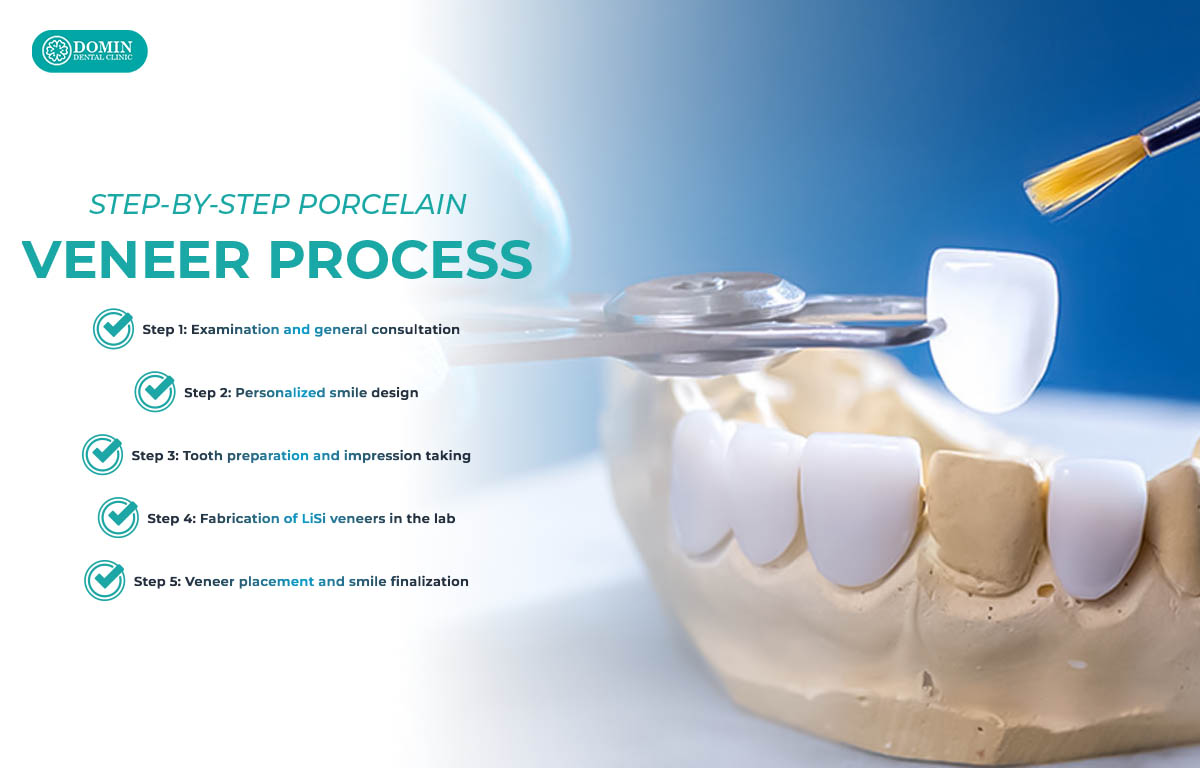
Step 1: Comprehensive examination and consultation
First, the dentist performs a full oral examination, evaluating tooth color, shape, bite alignment, and gum condition. Based on these findings, a suitable veneer treatment plan is proposed, including the selection of Lisi material, shade, and the number of teeth to be restored.
Step 2: Personalized smile design
At this stage, the dentist uses 3D Digital Smile Design technology to simulate the shape, length, and color of the veneers in harmony with the patient’s facial features.
This allows patients to preview the final result and make adjustments before the procedure begins.
Step 3: Minimal tooth preparation and precise impressions

With Lisi veneers, the dentist only removes a very thin layer from the tooth surface (about 0.2–0.3 mm) to create proper adhesion for the ceramic. This process is minimally invasive and does not damage the natural tooth structure.
After that, digital impressions are taken using a 3D intraoral scanner, creating a highly accurate model down to the micron level for veneer fabrication.
Step 4: Lisi veneer fabrication in the lab
Based on the 3D scan data, dental technicians fabricate the Lisi veneers using advanced CAD/CAM technology. This ensures each veneer has precise fit, well-defined margins, and carefully controlled color. Every veneer undergoes quality inspection before being returned to the dentist for placement.
Step 5: Veneer bonding and smile completion
Once the Lisi veneers are ready, the dentist will place them on the teeth for a trial to check fit, color, and bite comfort.
After patient approval, the veneers are permanently bonded using specialized adhesive and cured with light to strengthen the bond between the ceramic and natural tooth.
Finally, the dentist performs polishing and minor bite adjustments to ensure the most natural feel during chewing.
How much do Lisi veneers cost per tooth?
Currently, the reference price for Lisi veneers at reputable dental clinics is around 12,000,000 VND per tooth, typically with a 10-year warranty. This cost reflects premium imported materials, skilled dentists, and standardized international procedures—ensuring durability, natural aesthetics, and long-term safety.
The price may vary depending on the clinic, number of teeth treated, case complexity, and technology used. However, 12 million VND per tooth is considered a reasonable benchmark for genuine Lisi veneers.
Who should choose Lisi veneers?

Lisi veneers are ideal for those who want to enhance their smile aesthetics while preserving their natural teeth. They are especially suitable for:
- Discolored or stained teeth that are difficult to whiten with conventional methods
- Chipped, worn, or slightly misaligned teeth needing subtle correction
- Individuals seeking high aesthetic results for front teeth with a natural, refined look
- Those who prioritize tooth preservation with ultra-thin, minimally invasive veneers
- Anyone looking for a long-lasting smile that resists staining and remains stable over time
👉 Therefore, Lisi veneers are an excellent choice for achieving a bright, natural smile while protecting natural tooth structure and ensuring long-term results. With their ultra-thin design, natural light reflection, and high durability, Lisi veneers meet both aesthetic and functional needs for a wide range of patients.
How to care for Lisi veneers
To maintain the durability and aesthetics of Lisi veneers, proper home care and regular dental visits are essential.
- Brush twice daily using a soft-bristled toothbrush and non-abrasive toothpaste
- Use dental floss or a water flosser to clean between teeth, especially around veneer margins
- Avoid chewing hard foods such as ice, hard candy, or nuts to prevent cracking or chipping
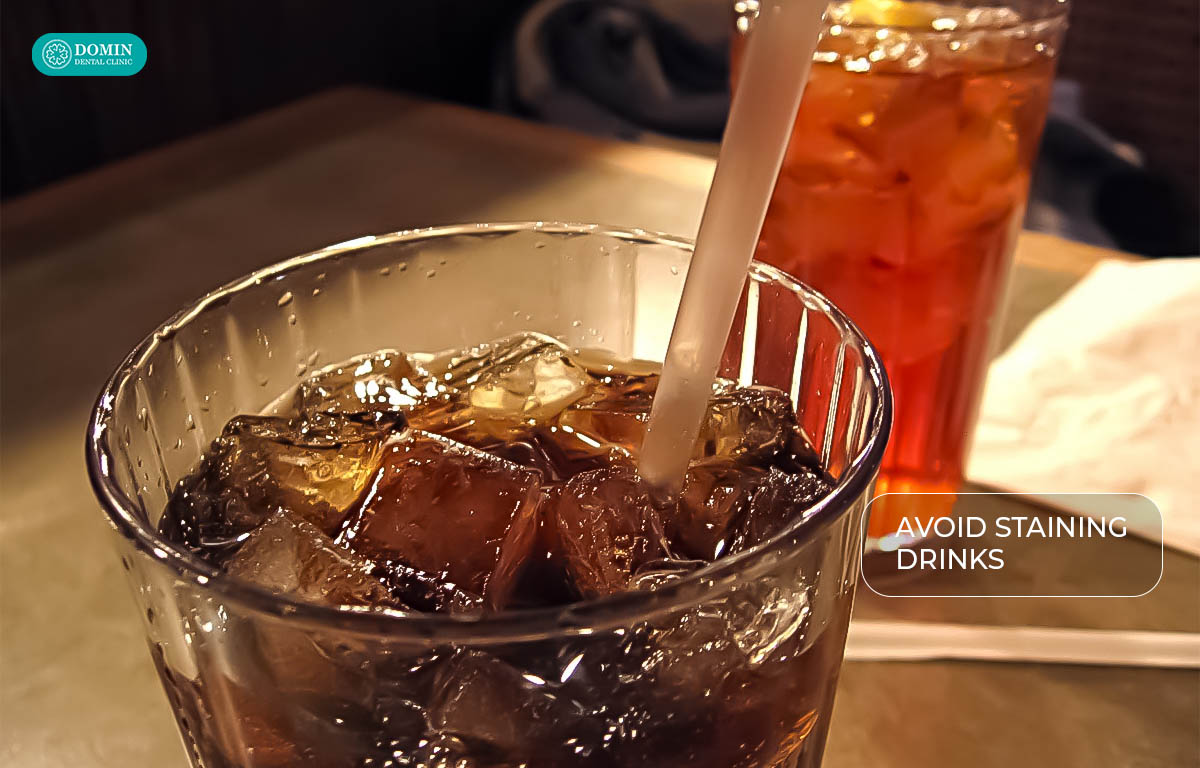
- Limit staining foods and drinks like coffee, strong tea, or red wine—or rinse your mouth after consuming them to maintain brightness
👉 With proper care, Lisi veneers can remain strong, natural-looking, and long-lasting for many years.
Bad habits such as nail biting, using teeth to open bottles, or teeth grinding should be strictly avoided. If you have a habit of grinding your teeth at night, your dentist may recommend wearing a night guard to reduce pressure on the veneers and protect both the ceramic layer and the natural teeth underneath.
Finally, regular check-ups every 6–12 months are essential. During these visits, the dentist will evaluate the fit of the veneers, check the condition of the gum margins, and perform professional cleaning to ensure your veneers remain durable and your natural teeth are well protected.
Why choose Lisi veneers at Domin Dental Clinic?
Choosing a reputable dental clinic is a key factor in determining the aesthetic outcome, durability, and safety of Lisi veneers. At Domin Dental Clinic, patients experience an international-standard process that combines premium materials, advanced technology, and highly skilled dentists.
The clinic uses authentic Lisi veneers imported from Japan, ensuring natural translucency, stain resistance, and high durability. The veneer process is supported by 3D Smile Design technology, allowing for personalized smile planning tailored to each patient’s facial structure and bite alignment.