Tiếng Việt
Tooth preparation for veneers is a necessary step to ensure a precise fit and natural appearance. However, many people worry about its impact on natural teeth. So, is veneer preparation really as concerning as it seems?
What is tooth preparation for veneers?

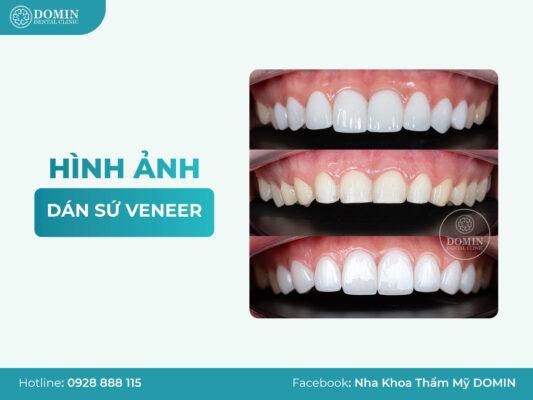
Tooth preparation for veneers is a crucial pre-treatment step that ensures the veneer fits precisely, remains durable, and achieves optimal aesthetics. In reality, veneer preparation is very different from crown preparation. While crowns require significant reduction of the entire tooth, veneers only involve removing a very thin layer from the front surface—typically 0.2–0.5 mm, similar to the thickness of a contact lens.
The purpose of this step is to create just enough space for the veneer to bond closely to the enamel without making the tooth look bulky or feel uncomfortable. When performed correctly, this preparation does not invade the dentin or pulp, allowing the natural tooth structure to remain intact and strong over time.
In some ideal cases where tooth shape is already well-balanced, dentists may perform no-prep veneers or only minimal surface conditioning. However, this requires a high level of aesthetic expertise and precision, as even a small miscalculation can affect bite alignment or the natural appearance of the smile.
In short, veneer preparation is not about “shaving down the tooth,” as many fear—it is a micro-adjustment technique that allows the veneer to fit seamlessly, ensuring durability and a natural-looking smile.
Why is tooth preparation necessary for veneers?


During the procedure, dentists typically use digital software or dental microscopes to measure and control the preparation area with precision down to tenths of a millimeter. For sensitive patients, a mild local anesthetic may be applied to ensure complete comfort.
After preparation, some patients may experience slight sensitivity for the first 1–2 days—similar to teeth whitening—due to the enamel surface being treated. This sensation usually fades quickly as the teeth adapt or once the final veneers are placed.
Importantly, the level of comfort depends largely on the dentist’s skill and the technology used. If the dentist carefully controls the depth and angle of preparation without reaching the dentin, there will be no pain or damage. In contrast, poorly controlled manual preparation can remove too much enamel, leading to prolonged sensitivity or even pulp irritation.
That’s why, for a safe and comfortable experience, patients should choose clinics with experienced veneer specialists and modern technology—ensuring fast, precise, and virtually painless procedures.
When is tooth preparation not required for veneers?
Not all veneer cases require tooth preparation. With advances in ultra-thin ceramic materials and digital smile design, no-prep veneers are possible in certain situations.
This approach is typically suitable for:
- Small, spaced, or slightly inward-positioned teeth: veneers can be added without creating bulk
- Well-proportioned teeth: only color or brightness needs improvement, not shape correction
- Thick, healthy enamel with smooth surfaces: allowing strong bonding without additional preparation

In these cases, the dentist will simply polish and lightly condition the tooth surface, without causing pain or sensitivity. However, not everyone is suitable for no-prep veneers. For teeth that are protruded, misaligned, too large, or have complex bite issues, skipping preparation can make veneers look bulky, unnatural, and uncomfortable during chewing.
Important notes about tooth preparation for veneers
Tooth preparation is a key step that directly affects both aesthetics and durability. Even though it is minimal, you should understand the following principles to ensure safety and long-term success:
First, preparation should stay within the enamel layer
For veneers, dentists should only work within the outer enamel layer, typically 0.2–0.5 mm. If preparation goes deeper into the dentin, it can cause prolonged sensitivity, affect the pulp, and reduce bonding strength. This is a critical technical boundary that must be strictly controlled.
Second, it must be performed by a veneer specialist

Each veneer case requires careful evaluation of smile proportions, enamel thickness, and bite alignment. An inexperienced dentist may over-prepare, under-prepare, or create uneven reduction—leading to weakened teeth or poorly fitted veneers. Therefore, choosing a dentist with strong aesthetic expertise and deep knowledge of veneer materials is essential.
Third, do not prepare teeth without a Smile Design plan
Tooth preparation must be based on a pre-designed veneer shape. Without prior simulation, preparation can be excessive or insufficient, resulting in poor aesthetic outcomes. A proper workflow includes smile analysis and 3D simulation before any enamel reduction.
Fourth, follow proper care after preparation
After preparation, teeth may become temporarily sensitive. Patients should:
- Avoid very hot, cold, or acidic foods
- Brush gently with a soft-bristled toothbrush
- Avoid using whitening strips or harsh products
- Attend follow-up visits as scheduled to monitor enamel and bite
Fifth, do not compare preparation levels between cases
The amount of tooth reduction varies depending on tooth shape, veneer material, and individual aesthetic goals. Therefore, you should not use someone else’s case as a standard. These differences are what allow for personalized, natural-looking results.
👉 In summary:
Tooth preparation for veneers is a delicate and critical step in cosmetic restoration. Choosing a reputable clinic, an experienced veneer specialist, and modern technology ensures t