Home » Kiến thức EN » Post-Veneer Care: Everything You Need to Know!
Post-Veneer Care: Everything You Need to Know!
Last updated: 11/28/2025
Studies show that 60–70% of post-veneer complications—such as debonding, chipping, discoloration, or gum inflammation—are caused by improper oral hygiene. This highlights how crucial aftercare is in maintaining both aesthetics and longevity. So, how should you properly care for your teeth after getting veneers? Below is a detailed guide from experts.
How to care for your teeth after veneers
Right after the veneer procedure, your teeth still need careful protection. Here are the key guidelines to help maintain long-lasting results:
Avoid excessive force on your teeth
After getting veneers, avoid eating very hard foods like ice or using your teeth to open bottles.
Veneers are thin ceramic layers bonded onto natural teeth to improve aesthetics. However, the natural teeth underneath still need proper protection.
You should avoid biting hard objects such as candy, ice, or using your teeth to open bottles. Habits like teeth grinding or excessive biting should also be avoided. These forces can cause veneers to chip, crack, or debond, and may also damage the underlying natural teeth.
Proper diet for veneer longevity
Your diet directly affects the lifespan and appearance of veneers. You should limit staining foods and drinks such as coffee, tea, red wine, and dark sauces. At the same time, avoid overly hard or chewy foods that can put pressure on the veneers.
👉 A helpful tip is to increase intake of foods rich in calcium, vitamins, and minerals, which help strengthen natural teeth and support the long-term durability of veneers.
A balanced diet combined with good oral hygiene is key to maintaining veneers over time.
Proper oral hygiene practices
Nên vệ sinh răng miệng kỹ lưỡng, kết hợp đánh răng và sử dụng bàn chải kẽ hoặc tăm nước.
Even though veneers enhance the appearance of your teeth, proper oral hygiene remains essential to protect natural teeth and maintain the longevity of the restoration. You should:
Brush your teeth twice daily with a soft-bristled toothbrush, gently cleaning the veneer surface to avoid scratches
Use dental floss or a water flosser to clean between teeth and remove plaque in hard-to-reach areas
Rinse with salt water or an antibacterial mouthwash to reduce bacteria and protect the gums
👉 Good hygiene habits are a simple yet effective way to keep veneers bright, smooth, and long-lasting, while preventing issues like gum inflammation or plaque buildup.
Monitoring and regular dental check-ups
To ensure veneers remain aesthetic and functional over time, regular monitoring is essential. You should:
Visit your dentist every 6 months to check veneer adhesion and the condition of underlying teeth
Seek early evaluation if you notice abnormalities such as cracks, debonding, discoloration, sensitivity, or pain
Assess gum health and enamel condition to prevent complications that may affect veneer longevity
👉 Regular check-ups not only help detect problems early but also maintain a healthy, long-lasting smile.
Warning signs that require a dental visit
Although veneers are durable and safe, you should watch for the following signs:
Chipped, cracked, or detached veneers
Even high-quality veneers are not indestructible. Strong forces—such as biting hard objects or teeth grinding—can cause chipping or fractures. If a veneer detaches, it not only affects aesthetics but also exposes the underlying tooth to bacteria and damage.
👉 If this happens, visit your dentist as soon as possible for repair or replacement.
Persistent pain or sensitivity
After getting veneers, if you experience prolonged pain, you should visit a dental clinic for a check-up.
In some cases, mild sensitivity may occur during the first few days after veneer placement—this is a normal response.
However, if the pain persists or worsens, it may indicate irritation of the natural tooth, enamel cracks, or nerve involvement. Delaying a check-up can lead to more serious issues such as pulp inflammation or abscess.
Gum inflammation, bleeding, or swelling
Veneers are designed to fit closely along the gum line for optimal aesthetics. However, if oral hygiene is inadequate, plaque can accumulate around the margins, leading to gum inflammation, bleeding during brushing, or swelling.
If left untreated, this condition may damage the veneer or cause gum recession, affecting the underlying natural teeth. Professional cleaning and dental evaluation are necessary.
Changes in veneer color
Although veneers are stain-resistant, they can still discolor over time due to coffee, tea, red wine, smoking, or pigmented foods.
If you notice unusual color changes, a dentist should evaluate the cause. It may be superficial staining or an issue with the bonding layer exposing the underlying tooth color. Early intervention helps maintain long-term aesthetics.
👉 Conclusion: Porcelain veneers offer excellent aesthetic and functional benefits, but their durability depends largely on proper aftercare. Following guidelines—such as avoiding excessive force, maintaining a suitable diet, practicing good oral hygiene, and attending regular check-ups—is essential.
✨ With proper care, you can maintain a bright, healthy, and confident smile for many years.
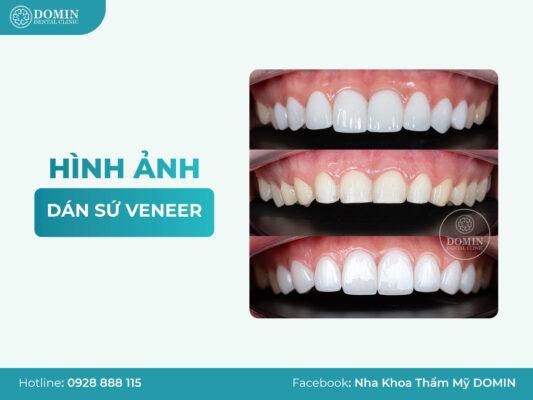
Porcelain veneer images always serve as visual proof of a dramatic smile transformation. At Domin Dental Clinic, many patients have experienced and clearly noticed the...
How Long Is the Warranty for Porcelain Veneers? Typically, the warranty period for porcelain veneers depends on the type of material chosen by the patient....
How Long Does Porcelain Veneer Treatment Take? Typically, porcelain veneers require 2–3 appointments or about 4 days to complete. The exact timeline depends on factors...
In addition to an experienced dentist, veneer technology is equally important, as it determines the precision, aesthetics, and durability of each veneer. So, what modern...
Lisi porcelain veneers are often referred to as “ultra-thin, highly translucent, and as durable as natural teeth.” But what makes Lisi veneers stand out? Should...
Many people are concerned about the durability of porcelain veneers due to their thin design. So, are veneers durable? Below is a detailed explanation to...


 Tiếng Việt