Tiếng Việt

In cases of misaligned, rotated, protruded, underbite, or severe malocclusion, veneers cannot correct the bite. Instead, they may lead to improper force distribution, increasing the risk of porcelain fracture or gum inflammation. Additionally, teeth with severe discoloration due to antibiotics or trauma may not achieve optimal aesthetics, as veneers are too thin to fully mask the underlying color.
If veneers are applied in unsuitable cases, they are more likely to debond, create open margins, cause gum inflammation, and compromise aesthetics.
May cause sensitivity if tooth preparation is done incorrectly
Although veneers are a minimally invasive restorative method that preserves most of the natural tooth structure, improper preparation can lead to sensitivity. If the dentist removes too much enamel and exposes the dentin layer, the tooth can become sensitive—especially when consuming hot, cold, or acidic foods.
This sensitivity occurs because the enamel, which acts as a natural protective barrier, is compromised, exposing dentin that contains numerous microscopic nerve tubules. As a result, thermal and chemical stimuli can directly affect the pulp, causing prolonged discomfort.
The main cause of this issue is often uncontrolled manual tooth preparation without digital guidance. In clinics lacking advanced technology, it is difficult for dentists to accurately determine preparation depth, leading to uneven or excessive reduction.
In some cases, failure to properly assess enamel thickness before treatment can also result in unintended damage, even when the preparation appears minimal.
Risk of debonding or chipping if not properly maintained
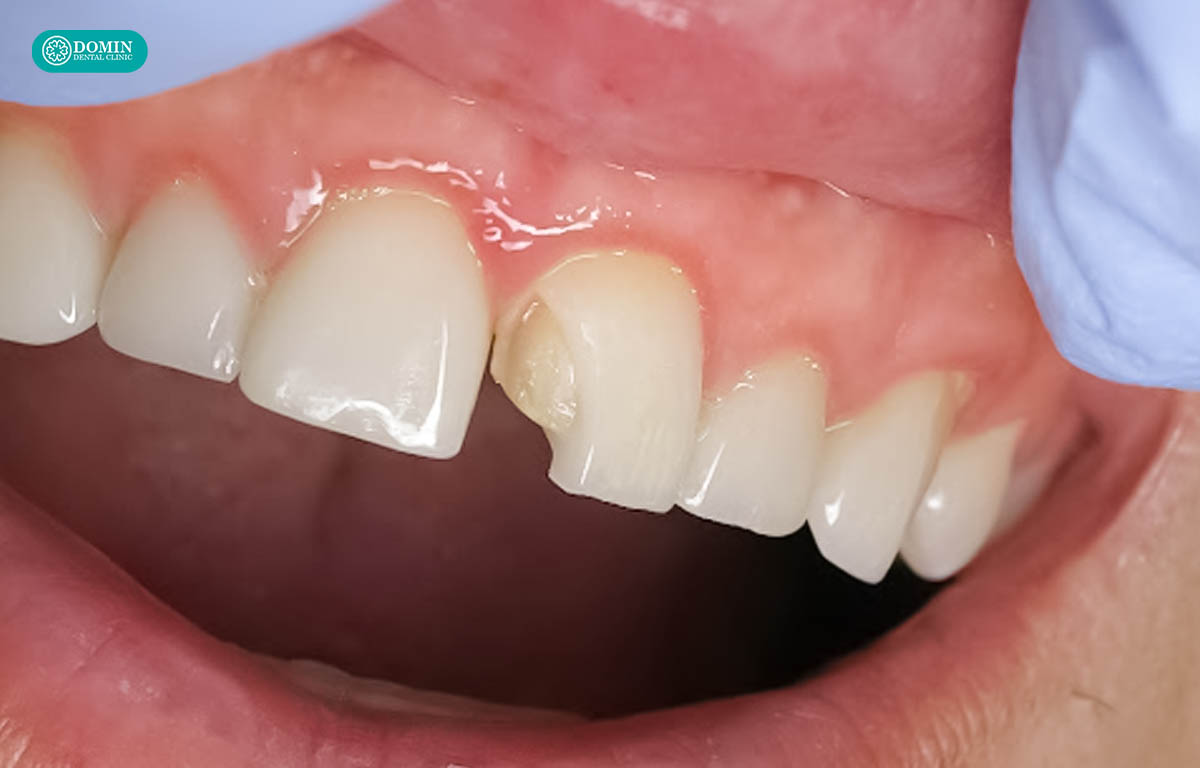
Veneers are bonded to the surface of natural teeth using a specialized adhesive, unlike crowns which cover the entire tooth structure. Therefore, the retention of veneers mainly depends on the bonding strength between the adhesive and the enamel, rather than mechanical retention like crowns.
If, after placement, patients continue habits such as chewing very hard foods (bones, nuts, ice) or using teeth to open objects, excessive force can break the adhesive bond, leading to veneer debonding. Additionally, habits like teeth grinding during sleep or clenching due to stress are common causes of veneer chipping over time.
Veneers can also be damaged by improper oral care, such as using hard-bristled toothbrushes, brushing too aggressively, or using highly abrasive toothpaste. Repeated mechanical impact can wear down veneer margins, causing gaps and reducing bonding strength.
From a technical perspective, if the veneer bonding procedure is not performed correctly—such as using substandard adhesive, inadequate tooth surface preparation, or incorrect occlusal adjustment—the risk of debonding increases significantly, even with proper patient care.
High cost and difficulty of repair
Porcelain veneers are relatively expensive because they require high precision, meticulous craftsmanship, and experienced clinicians. Each veneer is custom-designed for each tooth, based on individual tooth shape, enamel color, morphology, and occlusion. The process involves advanced digital technology, specialized dental laboratories, and high-quality thin ceramic materials with natural translucency. As a result, the cost is significantly higher than cosmetic fillings or teeth whitening.
Moreover, veneers cannot be partially repaired once damaged. Due to their thinness (approximately 0.3–0.5 mm), if a veneer cracks, chips, or debonds, repair is nearly impossible. The bonding system is designed to create a permanent link between the veneer and enamel; therefore, once this bond fails, the old veneer must be completely removed and replaced with a new one. This process is both time-consuming and costly.
How to minimize the disadvantages of veneers
To reduce the risks and limitations of porcelain veneers, the most important factors are proper case selection, precise clinical execution, and appropriate post-treatment care.
First, thorough examination and diagnosis are essential. The dentist must assess the condition of the natural teeth, enamel thickness, occlusion, and the patient’s functional habits. In cases of weak enamel, severe decay, or significant malocclusion, alternative treatments such as crowns, orthodontics, or combined restorative approaches should be recommended instead of veneers. Proper indication is key to preventing complications such as debonding, fracture, or sensitivity.
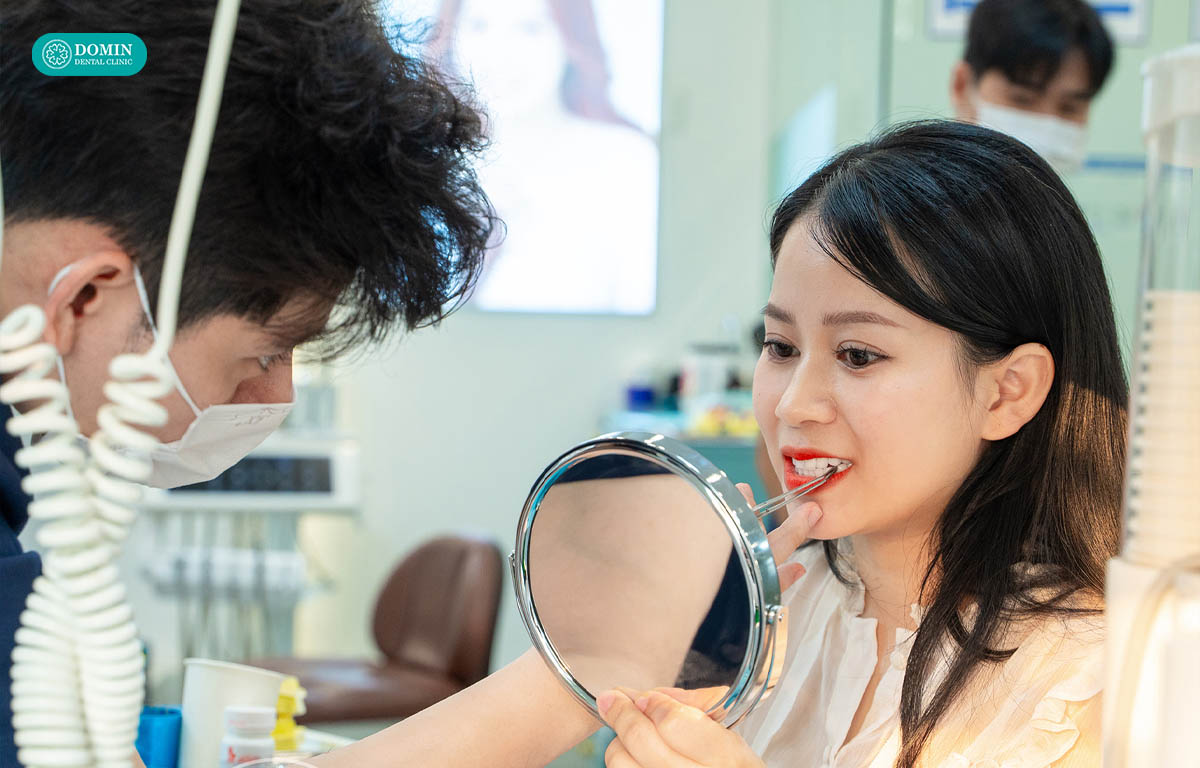
Secondly, tooth preparation and veneer bonding must be performed with high precision. Dentists should control preparation depth using 3D digital systems, ensuring only a minimal layer of enamel is removed without affecting the dentin. The bonding process should use high-quality, certified adhesive systems, with proper surface treatment of both the tooth and the veneer to create a strong, durable bond and minimize the risk of debonding.
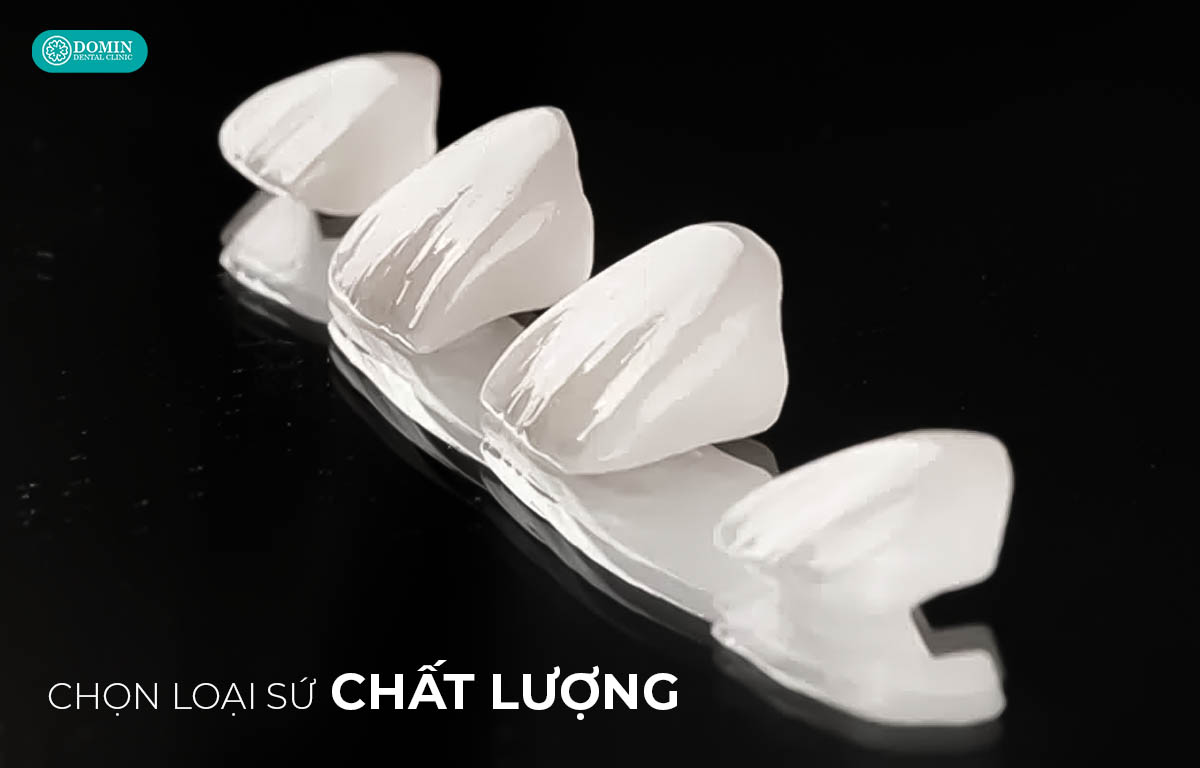
In addition, the quality of ceramic materials and the dental laboratory plays a crucial role in both durability and aesthetics. Choosing materials with high translucency, strength, and load-bearing capacity helps veneers achieve a natural appearance while maintaining long-term durability.
After completing the restoration, patients should follow proper oral care instructions: avoid biting hard objects, do not use teeth to open items, limit teeth grinding, or use a night guard if you have a clenching habit. Additionally, use a soft-bristled toothbrush, low-abrasive toothpaste, and dental floss to clean along the gum margin—where adhesive can easily accumulate plaque.
Finally, regular check-ups every 6 months allow the dentist to monitor veneer adhesion, detect early signs of marginal gaps, chipping, or discoloration of the bonding material, and address them promptly. When performed correctly and maintained properly, veneers can retain their durability and aesthetics for many years while minimizing most common risks associated with this method.
In conclusion, the disadvantages of porcelain veneers can largely be minimized when the procedure is carried out with proper technique, by experienced clinicians, and with high-quality materials. Therefore, it is essential to choose a reputable dental clinic with skilled dentists, modern technology, and strict clinical protocols to ensure natural, durable, and safe aesthetic outcomes for your oral health.