Tiếng Việt
Are Veneers Durable? This is a completely valid question — as getting veneers is a long-term aesthetic decision that directly impacts both your oral health and the beauty of your smile.
Are Veneers Durable?
The answer is yes — porcelain veneers are highly durable and long-lasting when applied using proper techniques.
Clinical studies have shown that about 95% of porcelain veneers remain in excellent condition after 10 years, and around 85% still perform well after 15 years.
Other studies also indicate that veneers can last between 10 and 20 years, or even longer, provided that patients maintain a consistent and proper oral care routine.

The advantages of porcelain veneers go beyond aesthetics — they also offer excellent functional performance.
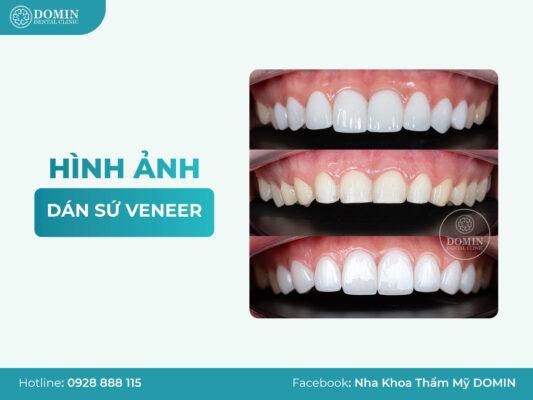
Porcelain veneers are about four times stronger than natural teeth, meaning they have superior resistance to bite force and are less likely to chip or crack during normal chewing.
In addition, veneers are highly stain-resistant and maintain their bright, natural color over time, ensuring that your smile stays radiant and beautiful for years to come.
Factors Affecting the Durability of Porcelain Veneers
To maximize the lifespan and long-term aesthetics of porcelain veneers, durability depends not only on the quality of the material but also on several other factors — including the dentist’s technique and the patient’s oral care habits.
Below are the key factors that play a crucial role in how long your veneers can last:

Quality of the Veneer Material
Not all types of porcelain veneers are the same. Differences in composition, hardness, and optical properties directly affect the longevity of the veneer.
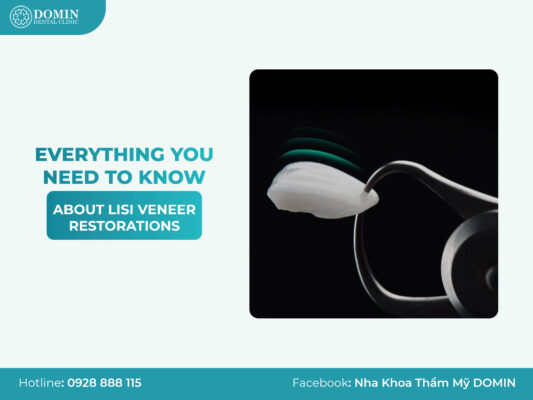
For example, Emax veneers, made from lithium disilicate glass-ceramic, are about four times stronger than natural teeth, offering excellent durability and resistance to chipping or cracking.
In contrast, composite veneers or low-cost ceramics are more prone to breakage under normal chewing forces, have a shorter lifespan, and tend to lose their color and aesthetic appeal over time.
Veneer Bonding Technique
The durability and aesthetics of porcelain veneers depend not only on the material used but also heavily on the bonding technique. Every step in the veneer application process plays a crucial role in ensuring long-lasting results.
For instance, tooth preparation must be performed with precision.
Excessive enamel reduction can weaken the natural tooth structure, while insufficient preparation may prevent the veneer from adhering properly, increasing the risk of debonding or detachment.
Therefore, enamel removal must be carefully calculated — just enough to allow a strong bond while preserving as much of the natural tooth as possible, protecting the dentin and maintaining full chewing function.
Condition of the Natural Tooth Beneath the Veneer

For the veneer procedure to be successful, the underlying natural teeth must be healthy and free from serious damage.
However, in cases where teeth are affected by decay, enamel wear, cracks, or gum disease, veneer placement becomes more limited and may compromise durability. Examples include:
-
Tooth decay or pulp damage: Deep cavities that reach the dentin or pulp reduce the bonding surface area and increase the risk of pulp inflammation, making veneers less secure and more prone to detachment.
-
Cracked or worn enamel: Thin or damaged enamel weakens the veneer’s ability to withstand biting forces, increasing the likelihood of chipping or cracking during chewing.
-
Gum inflammation or recession: Gum problems make it difficult for the veneer to bond tightly to the tooth, creating gaps where bacteria can accumulate — negatively affecting both aesthetics and the veneer’s lifespan.
Oral Hygiene and Care
Although porcelain veneers are highly durable, they do not protect the teeth from bacteria or plaque buildup like natural enamel does. Without proper care, plaque accumulation can lead to gum inflammation, tooth decay near the veneer edges, and a reduction in both the longevity and aesthetics of the veneers.
Additionally, bad habits such as biting hard objects, teeth grinding (bruxism), or frequently eating hard or chewy foods can exert uneven pressure on the veneers, affecting their strength and durability over time.
How to Extend the Lifespan of Veneers
To ensure your porcelain veneers achieve maximum durability and long-lasting aesthetics, several factors must work together — including high-quality materials, precise bonding techniques, proper oral hygiene, and avoiding damaging habits.
Here are a few key recommendations to help extend the lifespan of your veneers:
Choose High-Quality Veneer Materials
When selecting veneers, opt for materials made from lithium disilicate glass-ceramic (Emax) or zirconia, as these options offer exceptional hardness, excellent resistance to chipping and cracking, and long-term color stability.
You should also consider factors such as veneer thickness, optical translucency, and reliable origin, and ensure that veneers are only applied to healthy natural teeth.
The right material selection ensures durability, natural aesthetics, and a lifespan of 10–20 years.
Ensure Precise Bonding Technique

During veneer placement, precise tooth preparation is essential to both protect the vital tooth structure and ensure a strong bond.
Using high-quality dental adhesives and advanced CAD/CAM technology allows veneers to fit seamlessly, distribute bite force evenly, and enhance both durability and aesthetics.
Maintaining a clean, dry bonding environment and performing thorough bite alignment checks also help minimize the risk of veneer detachment, chipping, or cracking.
To achieve these results, choosing a reputable dental clinic is crucial — it not only ensures the longevity of your veneers but also provides the best possible aesthetic experience.
Maintain Proper Oral Hygiene and Care
Although porcelain veneers are durable, they cannot resist bacteria as natural enamel does.
To protect both the veneers and your real teeth, you should:
-
Brush gently with a soft-bristled toothbrush.
-
Use dental floss and specialized mouthwash daily.
-
Schedule regular checkups every 6–12 months to evaluate bite alignment and bonding stability.
-
Avoid habits such as teeth grinding or biting hard objects, which can increase the risk of chips or cracks.
If your veneer becomes slightly loose or chipped, contact your dentist immediately for timely repair to maintain both aesthetics and chewing function.
Protect the Natural Teeth Beneath the Veneers
Before veneer placement, any existing dental issues such as tooth decay, enamel cracks, or gum inflammation should be fully treated. This provides a stable foundation for the veneer to adhere securely and maintain long-term durability.
Equally important is the preservation of the natural tooth structure. Excessive enamel reduction can weaken the tooth and decrease bonding strength.
Therefore, veneers should only be applied by skilled dentists who perform precise and minimal tooth preparation, ensuring the protection of natural teeth, optimal function, and aesthetic harmony.
In Summary
Porcelain veneers are exceptionally durable and can last 10–20 years or more when performed with the correct technique and proper aftercare.
Their longevity is the result of premium ceramic materials, accurate tooth preparation, precise bonding, and consistent oral hygiene.
This article was reviewed by the dental experts at Domin Dental Clinic.
If you have any questions regarding porcelain veneers or other cosmetic dental services, please contact us for personalized consultation and accurate guidance.
📞 Hotline: 0889 988 115
🌐 Fanpage: facebook.com/DOMIN.vn
📍 Address: 37 Nguyen Ba Khoan, Yen Hoa, Ha Noi