Home » Kiến thức EN » Cheap Porcelain Veneers: 4 Risks You Should Not Ignore!
Cheap Porcelain Veneers: 4 Risks You Should Not Ignore!
Last updated: 11/03/2025
“Cheap” porcelain veneers are widely advertised as a quick, painless, and cost-effective way to enhance your smile. However, behind the attractive price are numerous aesthetic and oral health risks that many people fail to anticipate.
Why do many people choose “cheap” porcelain veneers?
The promotion of low-cost veneers is driven by both consumer psychology and a lack of understanding about material quality and the veneer restoration process.
The mindset of “wanting quick beauty at a low cost”
The desire for quick results at a low cost makes customers easily attracted.
Veneers are often advertised as a “gentle, painless cosmetic solution with minimal tooth preparation,” and when offers like “veneers from only 1 million VND per tooth” appear, consumers are easily attracted without fully understanding the true value of the restoration.
In reality, veneers are a premium dental restoration that requires micrometer-level precision. If the price is too low, it raises concerns about whether there have been compromises in materials, equipment, or techniques.
Lack of full understanding about veneers
Standard veneers are typically made from glass-ceramic or high-quality porcelain with optical translucency similar to natural enamel, allowing natural light reflection and long-term durability.
However, in low-cost veneer services, materials are often composite-based or hard resin, which have low durability. Some may use thin, low-cost pressed porcelain that is brittle and prone to fracture, or materials of unknown origin that are not processed at proper temperatures, resulting in unstable bonding between the veneer, cement, and enamel.
This can cause veneers to debond, discolor, or lead to gum inflammation within a few months—consequences that many people do not anticipate.
Lack of verification of advertising information
Today, advertisements such as “cheap veneers, no tooth preparation, same-day results” are widespread on social media, leading many people to believe that veneers are a simple procedure that can be done quickly without complex techniques.
In reality, consumers often lack the tools or professional knowledge to distinguish between genuine porcelain veneers and alternatives such as resin veneers or mixed materials. This lack of verification leads to confusion between temporary cosmetic solutions and properly performed dental restorations.
A proper veneer procedure must always include the following steps:
Clinical examination, X-rays, and 3D scanning to obtain accurate data of the tooth surface.
Smile Design to ensure proper proportions and facial harmony.
Occlusion analysis to maintain natural chewing function.
Trial mock-up veneers before final bonding so patients can preview the results.
However, in low-cost veneer services, most of these steps are simplified or completely skipped to save time and cost. This means that the accuracy, stability, and long-term aesthetics of the restoration cannot be guaranteed.
Consequences of cheap porcelain veneers
Choosing low-cost veneer services based on advertising can reduce aesthetic value and cause direct biological damage to tooth and gum tissues. Below are some common consequences:
Improper tooth preparation leading to loss of protective enamel
Enamel wear if performed incorrectly.
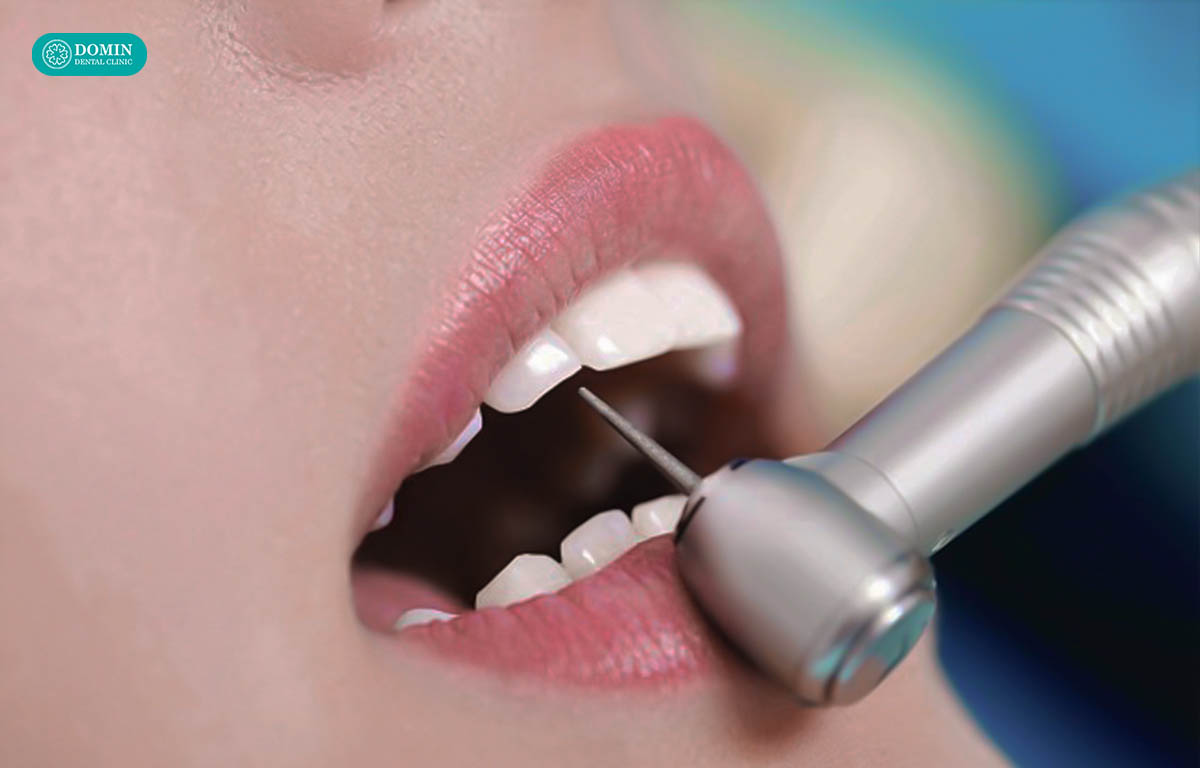
Without 3D data and occlusion analysis, the dentist may over-prepare or unevenly prepare the teeth, exposing dentin and causing prolonged sensitivity. Once natural enamel is lost, it cannot regenerate, making the teeth more sensitive and prone to hidden decay beneath the veneer.
Occlusal misalignment and functional disorders
Veneers designed with incorrect proportions or imbalance between the upper and lower arches can lead to bite misalignment, causing jaw fatigue, temporomandibular joint pain, and even wear of opposing teeth. This is a common complication when veneers are placed “by eye” rather than being precisely calculated using proper technology and professional expertise.
Gum inflammation and gum recession
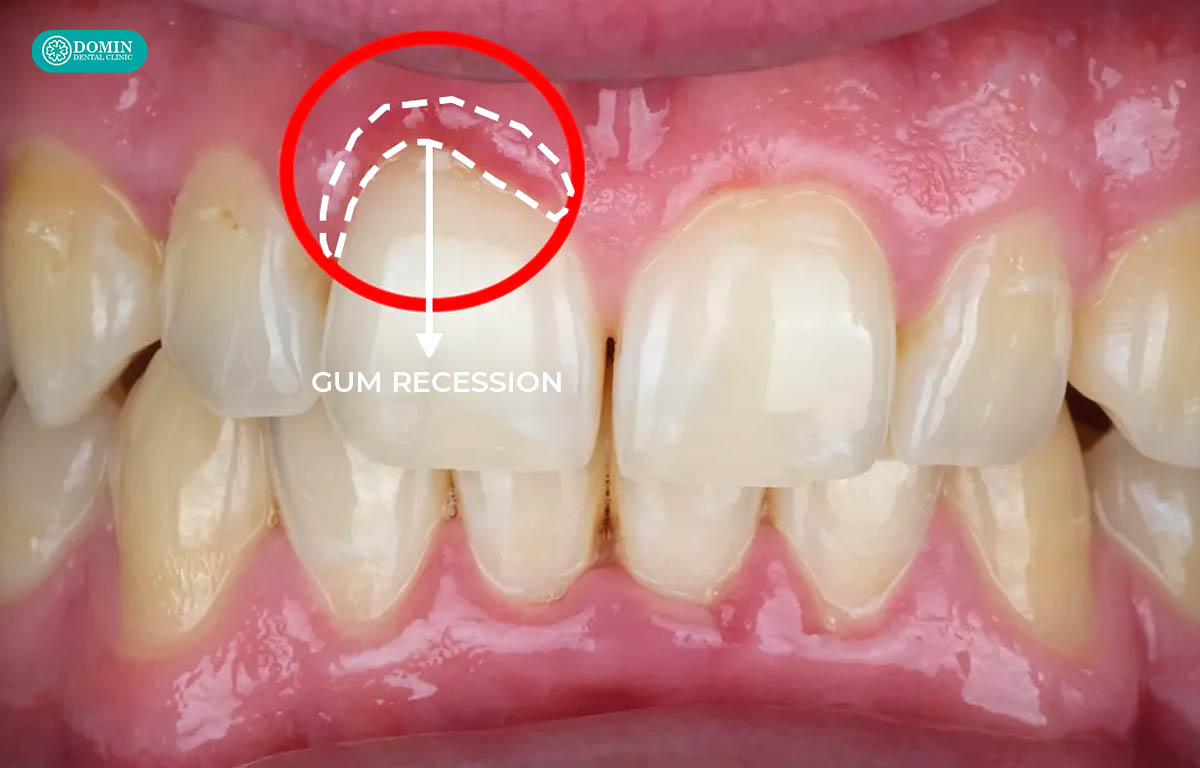
When the veneer surface does not fit tightly with the natural tooth, small gaps between the veneer and the gum become a “reservoir” for bacteria, easily causing chronic gingivitis, bad breath, and gum recession that exposes the veneer margins. This condition not only affects aesthetics but also requires veneer removal for retreatment.
Reduced lifespan and early discoloration
Low-quality materials and substandard bonding cement can lead to debonding, yellowing, or discoloration within just a few months. In many cases, veneers may crack or fall off during chewing, requiring complete replacement.
According to dentists at Domin Dental Clinic, veneers only achieve optimal effectiveness when bonded to healthy teeth with intact enamel and fabricated with micrometer-level precision. If these factors are ignored in favor of low cost, the risk of damaging natural teeth is entirely possible.
What is a reasonable cost for porcelain veneers?
It can be affirmed that the cost of porcelain veneers cannot be as low as “1–2 million VND per tooth” if proper procedures and standard materials are used. The cost of standard veneers typically includes:
• Cost of premium materials (E.max, Celtra Press, or multilayer glass-ceramic), officially imported. • Cost of digital design (3D scanning, Smile Design, occlusion analysis). • Cost of sterile facilities and specialized bonding materials. • Cost of highly skilled restorative dentists trained in aesthetics and occlusion.
The reasonable cost for standard veneers in Vietnam currently ranges from 6 to 15 million VND per tooth, depending on the type of porcelain and the technology used.
Prices significantly lower than this range often indicate compromises in at least one of three factors: materials, process, or expertise—and this directly affects both the lifespan of the veneers and the health of natural teeth.
How to choose a safe and reputable place for porcelain veneers
After understanding the potential risks of low-cost veneers, choosing the right dental clinic is the key factor to ensuring long-term aesthetic results and oral health. Below are four important criteria to consider:
Dentists with expertise in cosmetic restorative dentistry
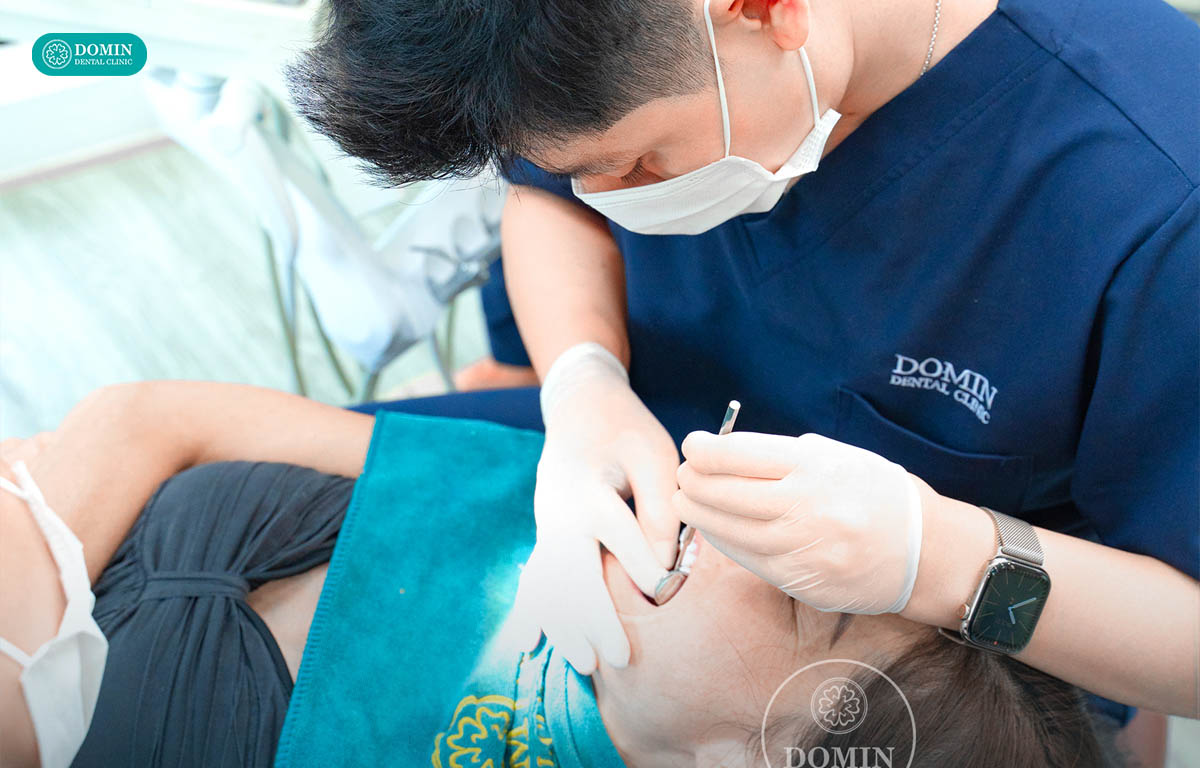
Choosing a reputable dentist helps ensure long-lasting veneer results.
Porcelain veneer placement is a highly precise technique that requires dentists to have in-depth knowledge of occlusion, enamel, and facial aesthetics. You should choose a dental clinic with specialists in restorative or cosmetic dentistry who have clear certifications in veneer treatment.
Structured examination and smile design process
A reputable clinic always follows a clear A–Z veneer procedure: examination, X-rays, 3D scanning, Smile Design, and trial before final bonding. If the clinic skips the 3D design stage or does not provide a preview of the results, you should reconsider.
Use of certified materials
You should request the lab to provide labels and certificates of origin for the porcelain materials to ensure transparency. Avoid veneers with unclear branding or mixed materials, as these are the main causes of early debonding or fracture.
Clear warranty and post-treatment care policy
A reputable clinic always provides a warranty of at least 5–10 years and gives clear instructions for care and regular follow-ups. If a clinic advertises “lifetime warranty” without clearly stating conditions in the contract, you should request written verification.
It can be seen that porcelain veneers are a premium dental restoration requiring precision, meticulous technique, and deep understanding of facial aesthetics, occlusion, and biomaterials. Choosing “cheap veneers” may deliver immediate aesthetic results but carries risks of damage to natural teeth, gum inflammation, and reduced restoration lifespan.
A beautiful and long-lasting smile must be created through skill, technology, and respect for natural teeth—not just based on price. If you are considering veneers, contact Domin Dental Clinic for a free consultation and dental evaluation before proceeding.
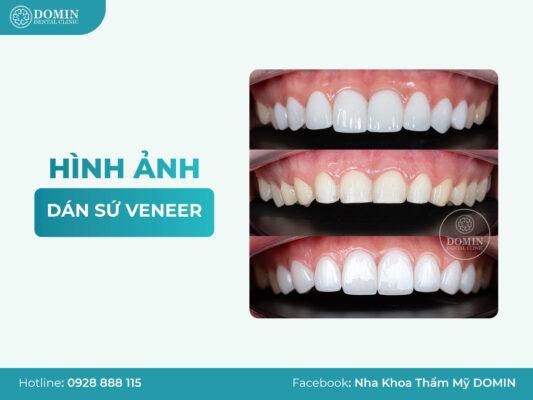
Porcelain veneer images always serve as visual proof of a dramatic smile transformation. At Domin Dental Clinic, many patients have experienced and clearly noticed the...
How Long Is the Warranty for Porcelain Veneers? Typically, the warranty period for porcelain veneers depends on the type of material chosen by the patient....
How Long Does Porcelain Veneer Treatment Take? Typically, porcelain veneers require 2–3 appointments or about 4 days to complete. The exact timeline depends on factors...
In addition to an experienced dentist, veneer technology is equally important, as it determines the precision, aesthetics, and durability of each veneer. So, what modern...
Studies show that 60–70% of post-veneer complications—such as debonding, chipping, discoloration, or gum inflammation—are caused by improper oral hygiene. This highlights how crucial aftercare is...
Lisi porcelain veneers are often referred to as “ultra-thin, highly translucent, and as durable as natural teeth.” But what makes Lisi veneers stand out? Should...


 Tiếng Việt