Tiếng Việt
Do porcelain veneers have any effects? The answer is no—if they are performed correctly and by a qualified dentist. However, if these conditions are not met, negative effects on teeth and gums can occur.
Do porcelain veneers have any effects?
Porcelain veneers are one of the most modern and minimally invasive dental restoration methods available today. This technique uses thin porcelain shells, typically about 0.2–0.5 mm thick, bonded to the outer surface of the teeth to improve color, shape, and alignment. The key advantage of veneers is that they preserve almost the entire natural tooth structure, requiring only minimal enamel reduction to create proper adhesion for the veneer.

However, many people still wonder: do porcelain veneers have any effects? Is this method as perfect as advertised? In reality, when performed with proper technique and correct indications, veneers almost do not cause any harm to natural teeth, gums, or overall oral health. Natural teeth are maximally preserved, the pulp is not affected, there is no prolonged sensitivity, and the surrounding gum tissue adapts naturally to the porcelain material.
In addition to safety, veneers also provide outstanding aesthetic results: they make teeth brighter, more even, and effectively mask imperfections such as discoloration, minor chips, or gaps.
Notably, because veneers are very thin, light can pass through them, creating a natural appearance similar to real teeth.
Potential effects when veneers are done incorrectly
Although veneers are a safe and minimally invasive method, if performed incorrectly or without proper indication, they can lead to various unwanted effects on both natural teeth and surrounding soft tissues.
Effects on natural teeth

With porcelain veneer techniques, tooth preparation must be strictly controlled, because even slight over-preparation can remove the natural protective enamel layer.
When too much enamel is removed, the dentin layer—containing thousands of microscopic tubules—becomes exposed, leading to sensitivity when consuming hot, cold, or acidic foods. In more severe cases, excessive preparation close to the pulp can cause pulp inflammation or necrosis, resulting in prolonged pain and the need for root canal treatment.
So, do veneers require tooth preparation? In clinical practice, minimal preparation may be necessary, but it must be extremely conservative, controlled, and precisely positioned—just enough to create space for the veneer while preserving maximum natural tooth structure.
Effects on gums
One of the most common complications of improperly placed veneers is gum inflammation caused by poorly fitted margins or incorrect positioning. When veneers extend too deep below the gum line or leave open margins, plaque and food debris can accumulate, creating an environment for bacterial growth. Over time, this may lead to redness, swelling, bleeding gums, gum recession, or bad breath.
In addition, low-quality materials or improper bonding can irritate soft tissues and affect the natural elasticity of the gums.
Therefore, to prevent these issues, the dentist must ensure precise veneer margins, proper fit, and full biocompatibility with gum tissue.
Effects on occlusion and chewing function

Occlusion plays a crucial role in the harmony of the entire chewing system. When veneers are placed incorrectly or the bite is not properly adjusted, you may feel discomfort, interference, or an inability to close your mouth naturally. Uneven distribution of chewing forces can cause certain teeth to bear excessive load, leading to temporomandibular joint pain, muscle fatigue, or even cracks and fractures in veneers at high-pressure contact points.
If this condition persists, it not only damages the veneers but also affects the occlusion and masticatory system in the long term. Therefore, precise occlusal adjustment after veneer placement is essential to ensure stable chewing function and a natural feel.
Impact on long-term aesthetics
Incorrect veneer placement not only affects function but also significantly impacts long-term aesthetics. When veneers do not fit properly or are poorly color-matched, issues such as margin gaps, discoloration, dullness, or mismatched tones may occur over time, making the smile look unnatural.
Additionally, poorly fabricated or incorrectly positioned veneers may chip at the edges, disrupting balance among teeth. In many cases, veneers must be removed and redone, which is both costly and potentially harmful to the natural tooth structure.
Therefore, to maintain long-lasting beauty, veneer placement, shade selection, and design must be carried out with precision, refinement, and suitability to each individual’s facial features.
Psychological impact and retreatment costs
When veneers debond, crack, or need to be removed due to improper technique, many patients experience anxiety, loss of trust, and hesitation about undergoing retreatment. Redoing veneers not only increases costs but also requires more time, as the natural teeth may already be weakened or worn and need careful management before new restoration.
In addition, ongoing sensitivity, discomfort, and fear of repeated failure can negatively affect a patient’s long-term psychological well-being.
How to avoid negative effects of porcelain veneers
To achieve safe, aesthetic, and long-lasting veneer results without harming teeth, gums, or occlusion, you should pay attention to the following important points:
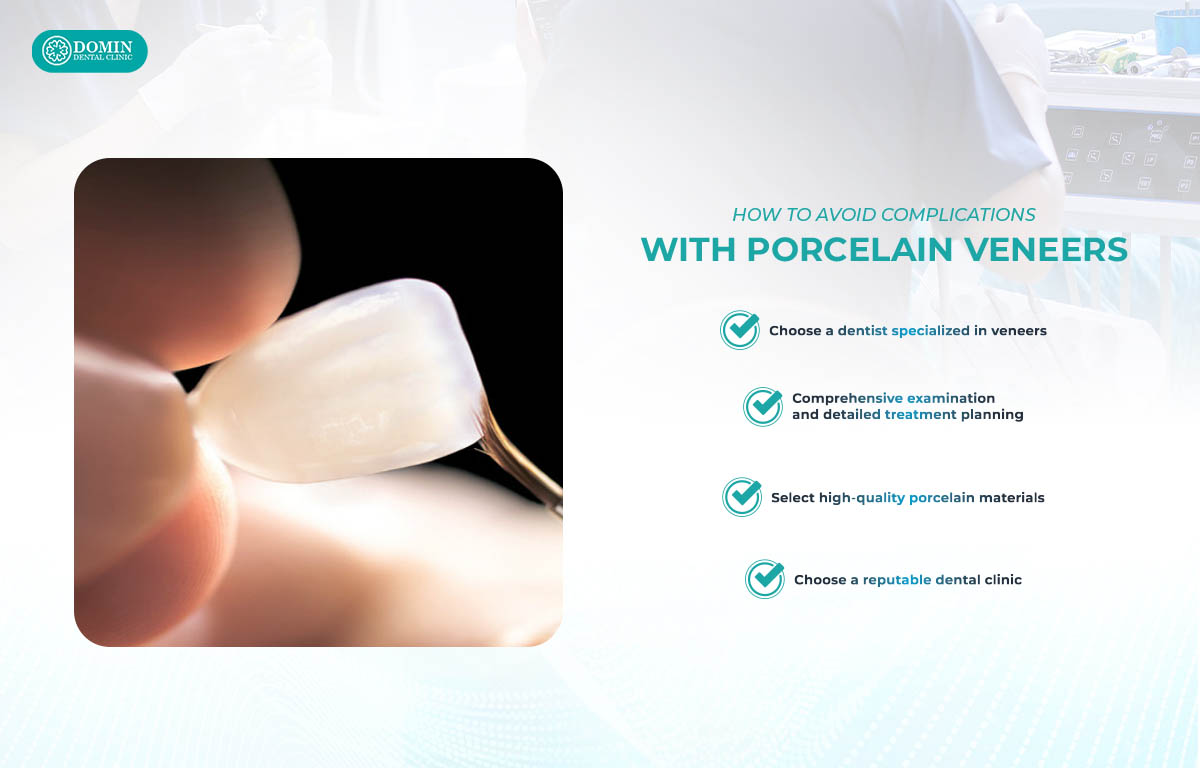
Choose a dentist specialized in veneers
Porcelain veneer treatment requires high technical skill and absolute precision in every step. A specialized dentist knows how to minimize tooth preparation, preserve maximum natural enamel, and accurately adjust occlusion and gum margins to ensure both aesthetics and oral health.
Undergo thorough examination and detailed treatment planning
Before veneer placement, patients should have X-rays, occlusion assessment, and evaluation of enamel and gum conditions. Careful planning helps the dentist determine whether veneers are appropriate or if another treatment is more suitable.
Select high-quality porcelain materials
Materials such as Emax and Lisi offer excellent thinness, translucency, and biocompatibility, allowing veneers to fit closely to natural teeth, maintain color stability, resist plaque, and remain safe for the gums.
Follow proper post-treatment care
After veneer placement, patients should maintain good oral hygiene, avoid biting hard objects, and not use teeth to open packages or tear tough foods. Regular check-ups every 6 months are recommended to monitor occlusion and veneer margins.
Choose a reputable clinic with modern technology
Clinics equipped with digital technologies such as 3D scanning, Smile Design, and CAD/CAM systems can enhance accuracy, reduce errors, and ensure optimal aesthetics and durability.
In summary, do porcelain veneers have any effects? Veneers only cause issues when performed incorrectly or at unreliable clinics. When done properly by experienced specialists, veneers not only preserve natural teeth but also provide a natural, healthy, and long-lasting smile.
For a detailed consultation on porcelain veneers, contact Domin Dental Clinic to have specialized cosmetic dentists assess your condition, create a treatment plan, and design a personalized smile.