Tiếng Việt
Porcelain veneers for molars can enhance aesthetics while preserving natural teeth. However, because molars are subjected to high chewing forces, their durability must be carefully evaluated.
Characteristics of molars
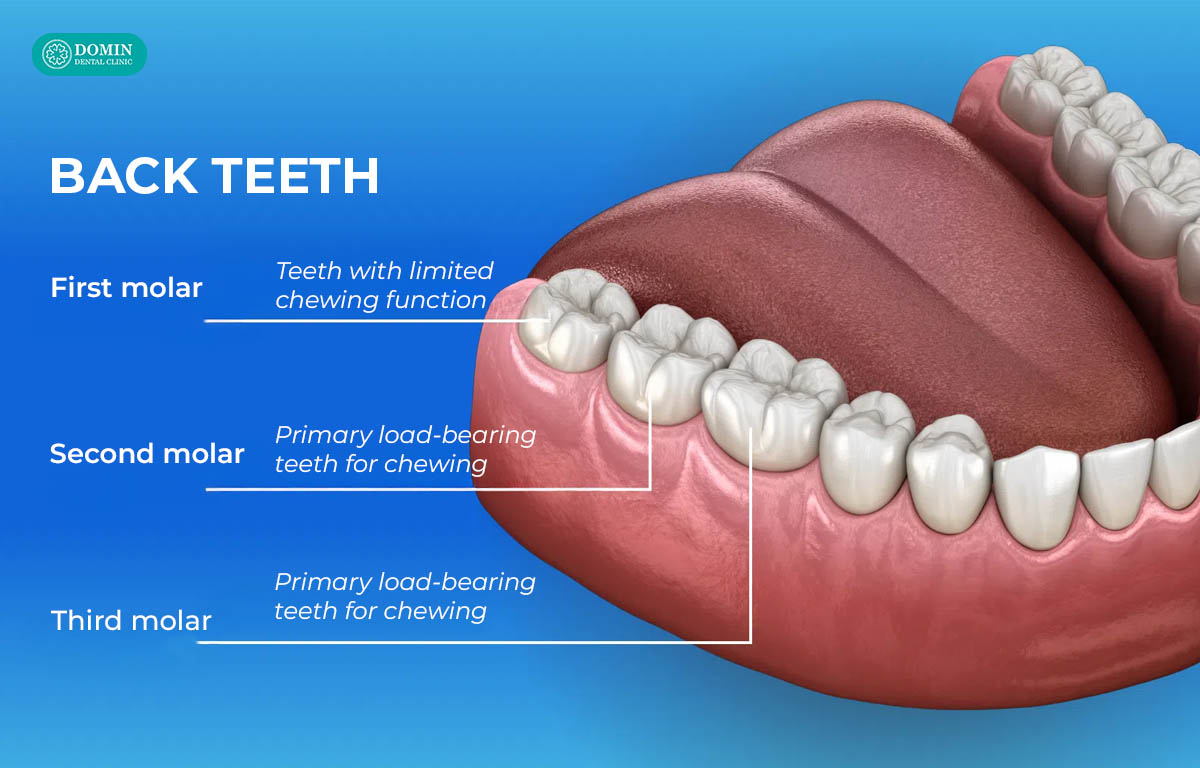
Molars are located at the back of the dental arch and play a key role in chewing and grinding food. Their surfaces have multiple cusps and deep grooves, which increase contact area during chewing but also make them harder to clean, leading to plaque and bacterial buildup.
Structurally, molars have thick, strong enamel, supported by dentin and a robust root system, allowing them to withstand very high chewing forces. In the lower jaw, bite forces can reach hundreds of kilograms, which is why durability is especially important for these teeth.
In addition, because molars are positioned deep in the mouth and close to the temporomandibular joint, they are directly influenced by occlusion and chewing muscle activity. Even slight bite misalignment or habits like teeth grinding can lead to wear, cracks, or sensitivity.
Can molars be treated with porcelain veneers?
When it comes to veneers, most people think of improving the appearance of front teeth—the most visible when smiling or speaking. However, many patients also wonder: “Can molars be treated with porcelain veneers?”
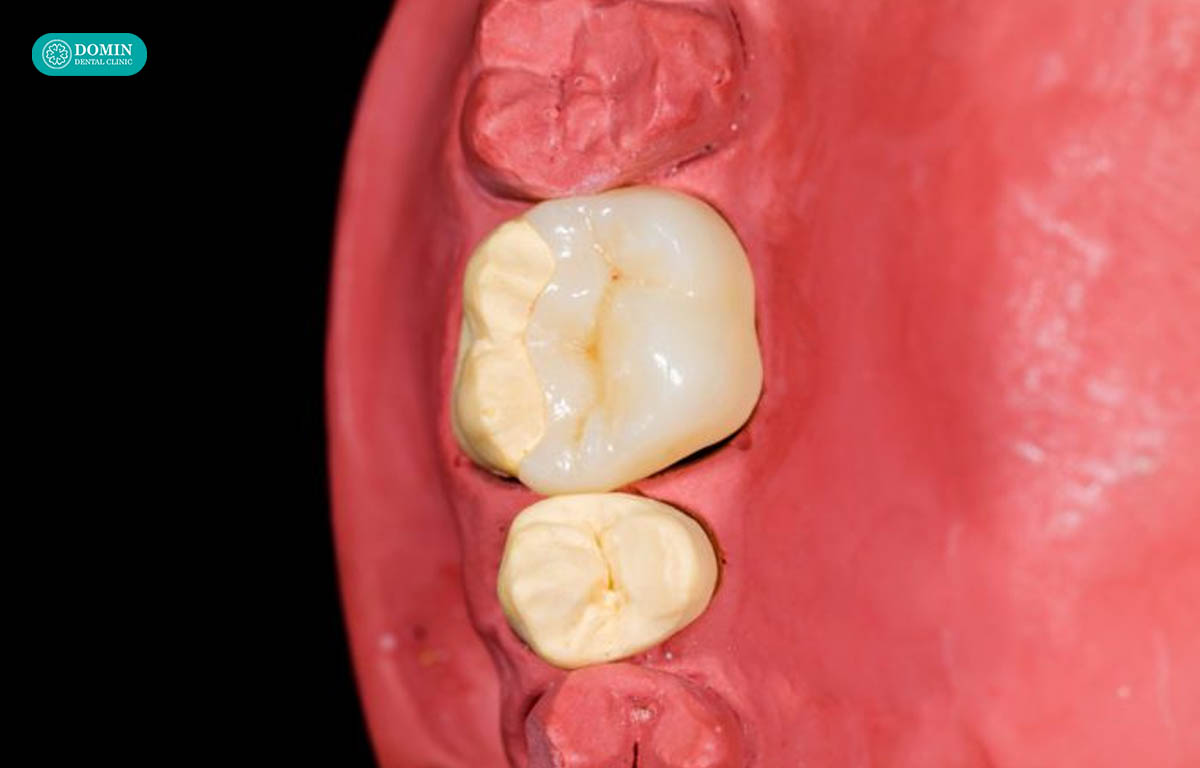
In principle, molars can be treated with veneers, but it is essential to understand the specific characteristics of this tooth group before making a decision. Molars have broad occlusal surfaces with multiple cusps and grooves, and they bear significantly higher chewing forces than anterior teeth. Therefore, any restorative material placed on molars must be strong, durable, and precisely adjusted for proper occlusion.
Veneers are ultra-thin restorations, typically 0.2–0.5 mm thick, primarily designed for aesthetics and preservation of natural tooth structure rather than to withstand heavy chewing forces. As a result, if veneers are applied to molars without proper evaluation, the risk of fracture, chipping, or debonding is high.
However, in certain cases, veneers can still be applied to premolars (teeth #4 and #5), which contribute to smile aesthetics but are not subjected to excessive occlusal forces. In these situations, dentists may select high-strength materials such as Emax or Zirconia, combined with precise bonding techniques to ensure long-term durability.
In contrast, for true molars (teeth #6 and #7), which bear the primary chewing load, veneers are not the ideal option. Instead, restorations such as inlays or onlays are more appropriate. These techniques restore damaged occlusal surfaces while preserving natural tooth structure and providing significantly greater strength than veneers.
Therefore, dentists must evaluate occlusion, enamel thickness, and individual chewing habits. For patients with bruxism, deep bite, or heavily restored molars, inlays, onlays, or full crowns are recommended to ensure both aesthetics and long-term durability.
Pros and cons of veneers for molars
When considering veneers for molars, dentists must carefully balance two key factors: preserving maximum natural tooth structure and ensuring sufficient strength for chewing. Understanding both the advantages and limitations of this method helps patients make more informed decisions, especially for teeth in high-load areas.
Advantages
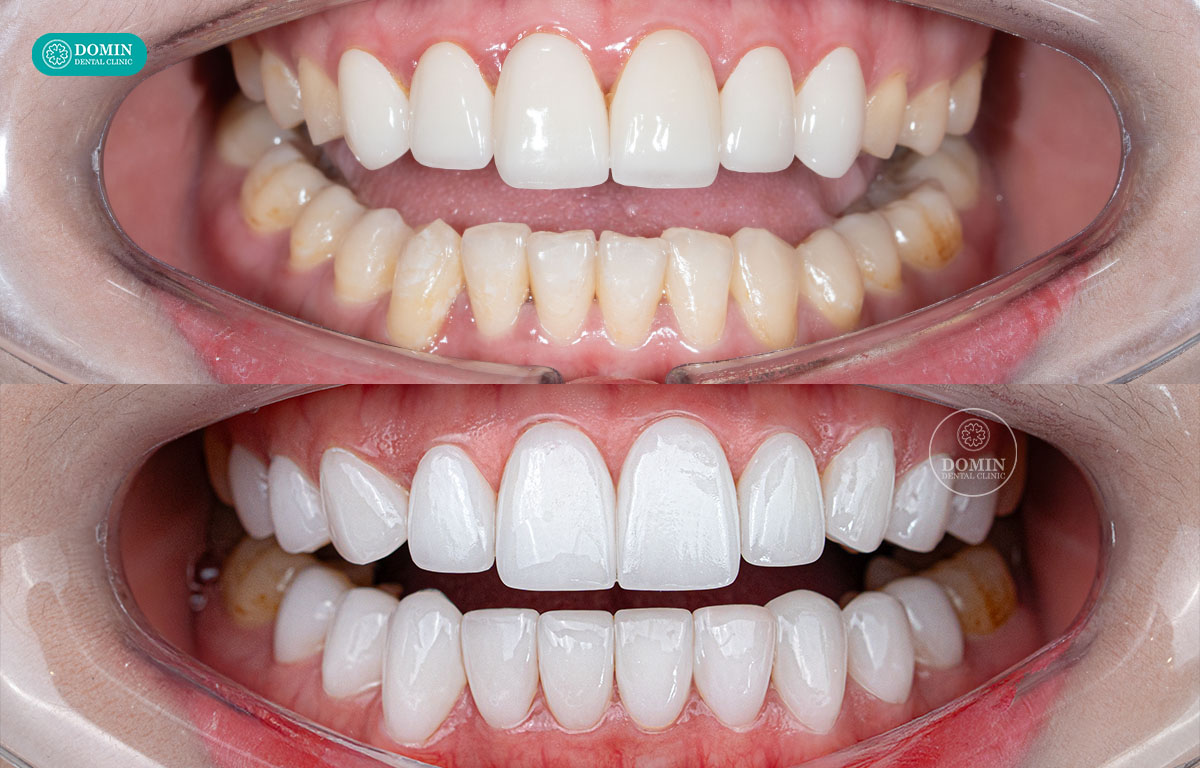
The most notable advantage of veneers is their high level of tooth preservation. Compared to full crowns, veneers require only minimal reduction of the outer enamel layer, helping retain almost the entire natural tooth structure. This not only reduces sensitivity but also allows teeth to remain strong in the long term.
Secondly, veneers provide highly natural aesthetics. For premolars that are still visible when smiling, veneers can create a brighter, more uniform appearance without looking opaque or bulky like traditional crowns.
In addition, modern veneer materials such as Emax and Zirconia offer good strength and load-bearing capacity, sufficient for normal chewing function. When bonded with high-quality dental adhesive and properly adjusted for occlusion, veneers can last approximately 10–15 years.
Disadvantages
However, veneers are still thin restorations, so their ability to withstand strong chewing forces in molar regions is limited. For patients with bruxism, habits of chewing hard foods, or malocclusion, veneers are more prone to cracking, chipping, or debonding.
Moreover, veneer placement on molars requires a high level of clinical expertise. The dentist must accurately determine occlusal direction, control bite forces, and assess enamel thickness. Even a minor error can lead to poor fit, open margins, food impaction, or future gum inflammation.
Expert advice for veneers on molars
Before deciding to place veneers on molars, dentists always recommend that patients consider not only aesthetics but also functional factors. A comprehensive clinical examination is essential, including:

• Evaluate bite force and occlusion to determine whether the teeth can withstand veneer-related stress.
• Assess enamel thickness and the remaining tooth structure to ensure proper bonding without compromising the natural tooth.
• Review lifestyle and habits (such as teeth grinding or biting hard objects), as these directly affect veneer durability.
If the molars are healthy, with sufficient enamel thickness and stable occlusion, veneers can provide a natural-looking smile while preserving tooth structure and maintaining chewing function for many years. On the other hand, if the teeth are worn, heavily restored, or subjected to strong biting forces, full crowns are usually recommended for better safety and long-term durability.
Finally, post-treatment care is equally important. Maintain proper oral hygiene—especially cleaning between teeth—avoid chewing excessively hard foods, attend regular check-ups, and adjust occlusion when necessary. Following these steps will help veneers remain durable, maintain stable chewing function, and preserve a natural smile over time.
For a detailed consultation on veneers for molars, please contact Domin Dental Clinic to have a professional evaluation and receive the most suitable treatment plan.