Home » Kiến thức EN » Save These 5 Must-Know Tips Before Getting Porcelain Veneers
Save These 5 Must-Know Tips Before Getting Porcelain Veneers
Last updated: 11/21/2025
Understanding key tips before getting porcelain veneers is essential, as this is not just a cosmetic procedure but also a direct intervention on natural teeth. Below are 5 important veneer tips to help you achieve a beautiful and long-lasting smile.
Choose the right case for veneers
Porcelain veneers are a cosmetic restoration method that improves tooth color and shape while preserving maximum natural tooth structure. However, the success of this technique depends greatly on selecting the right candidates, as not everyone is suitable for veneers or can achieve long-term results safely.
Veneers are suitable for cases such as gaps between teeth, mild misalignment…
Veneers are best suited for cases where teeth are still healthy, the bite is stable, and only minor imperfections are present—such as discoloration, mild tetracycline staining, small gaps, slight misalignment, worn enamel, or minor chipping. In these situations, veneers can significantly enhance aesthetics while preserving the natural tooth structure, delivering a natural-looking smile and comfortable chewing function.
On the other hand, if teeth are severely decayed, heavily damaged, significantly misaligned, or affected by major bite issues, veneers may not be effective and can even lead to sensitivity or debonding over time. Patients with strong teeth grinding habits should also be cautious, as excessive force can cause veneers to crack or chip.
The most important tip when considering veneers is not to decide on your own. A comprehensive dental examination is essential, including X-rays and bite analysis, to accurately assess your condition. Proper diagnosis allows the dentist to recommend the most suitable treatment—whether veneers, crowns, or orthodontic correction before restoration.
Choose a skilled dentist and modern technology
Research carefully and choose a reputable dental clinic with a team of experienced specialists.
The veneer procedure may seem simple, but in reality it requires near-perfect precision. Every step—from enamel preparation, impression taking, fabrication, to final bonding—must be controlled at a microscopic level. Therefore, the dentist’s skill and supporting technology are the two key factors that directly determine both aesthetic results and veneer durability.
A dentist specialized in cosmetic restorations understands smile proportions, ceramic light reflection, and how to design veneers that harmonize with natural teeth and gum contours. More importantly, they must evaluate occlusion and chewing forces, as even a slight imbalance can lead to veneer chipping or debonding over time.
Alongside expertise, modern technology plays a crucial role. Intraoral scanners provide highly accurate digital impressions without traditional materials. Smile Design software allows simulation of the final smile before treatment, helping patients visualize and adjust details. Meanwhile, CAD/CAM technology ensures veneers are fabricated with high precision, achieving a perfect fit while remaining thin, strong, and aesthetic.
In practice, many veneer failures—such as debonding, gaps, or gum irritation—are not due to poor materials, but rather improper technique or workflow. Therefore, one of the most important lessons before getting veneers is to carefully choose a reputable clinic with experienced dentists and advanced technology. This is the key to achieving safe, natural, and long-lasting results.
Veneer material determines 50% of the outcome
One of the most critical factors affecting durability, natural appearance, and chewing comfort after veneers is the material used. Even with a perfect procedure, choosing the wrong material can lead to unsatisfactory results.
Currently, veneer materials are generally divided into two main groups:
Glass-ceramic veneers (Emax, LiSi Press): These are known for their high translucency, creating a natural light effect similar to real teeth. With a thickness of only 0.2–0.3 mm, they require minimal to no tooth reduction. This type is ideal for front teeth, where aesthetics are a priority and biting forces are lower.
Zirconia veneers: These offer superior strength and higher resistance to biting forces, making them suitable for posterior teeth or individuals with strong bite pressure. However, their translucency and natural appearance are slightly lower compared to glass-ceramic veneers.
A high-quality veneer material not only enhances aesthetics but also ensures biocompatibility with the gums, helping to prevent inflammation, gum discoloration, or adhesive failure over time.
An important tip when choosing veneers is to prioritize materials with clear certifications, transparent origin, and fabrication using modern CAD/CAM technology to ensure precise fit. Additionally, the choice should be personalized—front teeth require aesthetics, back teeth require strength, and patients with thin enamel may need ultra-thin veneers.
Check real customer feedback
A key tip when considering porcelain veneers is to listen to real customer feedback.
One of the most important tips when considering porcelain veneers is to review real customer feedback and community opinions. Genuine experiences from previous patients are often more reliable than any advertisement.
Reputable dental clinics typically have strong positive reviews on platforms like Google, along with authentic before-and-after photos and transparent feedback about treatment experiences and results. In addition, being trusted by celebrities, entrepreneurs, or KOLs is often a strong indicator of a clinic’s credibility and the dentist’s expertise. These individuals usually choose clinics with specialized teams, advanced technology, and internationally standardized procedures due to their high aesthetic expectations.
A well-reviewed clinic with real proof of results and recognition from public figures is a strong sign that you are choosing the right place—one that ensures aesthetics, durability, and peace of mind for your smile investment.
Aftercare for veneers
The most important factor in maintaining long-lasting veneers is building proper daily care habits. Although veneers are durable, they are still thin ceramic layers bonded to natural teeth, so they require careful maintenance to prevent chipping, debonding, or discoloration over time.
Proper oral hygiene is essential to maintain the durability of porcelain veneers.
First, brush your teeth at least twice a day using a soft-bristled toothbrush and a low-abrasive toothpaste. Use dental floss or a water flosser to clean between teeth, as plaque and food debris can cause veneer margins to discolor or lead to gum inflammation.
Next, avoid biting hard objects such as ice, sugarcane, bottle caps, or very chewy foods, as excessive force can cause veneers to crack, chip, or debond. If you grind your teeth at night, wearing a night guard is recommended to protect the veneers from excessive pressure.
In terms of diet, limit dark-colored beverages like coffee, strong tea, and red wine, and avoid smoking. These factors can reduce the natural brightness of veneers, especially around the margins.
Finally, maintain regular dental check-ups every 6 months so your dentist can evaluate the fit, bite alignment, and gum health around the veneers. Routine visits help detect early issues and extend the lifespan of veneers to many years.
In conclusion: Successful porcelain veneers are not just about choosing a reputable clinic, but about making the right decisions—choosing the right dentist, the right materials, the right technique, and following proper aftercare. When all these factors come together, your smile will truly remain beautiful and long-lasting.
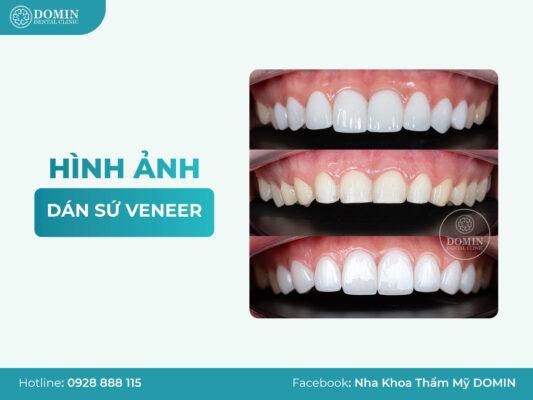
Porcelain veneer images always serve as visual proof of a dramatic smile transformation. At Domin Dental Clinic, many patients have experienced and clearly noticed the...
How Long Is the Warranty for Porcelain Veneers? Typically, the warranty period for porcelain veneers depends on the type of material chosen by the patient....
How Long Does Porcelain Veneer Treatment Take? Typically, porcelain veneers require 2–3 appointments or about 4 days to complete. The exact timeline depends on factors...
In addition to an experienced dentist, veneer technology is equally important, as it determines the precision, aesthetics, and durability of each veneer. So, what modern...
Studies show that 60–70% of post-veneer complications—such as debonding, chipping, discoloration, or gum inflammation—are caused by improper oral hygiene. This highlights how crucial aftercare is...
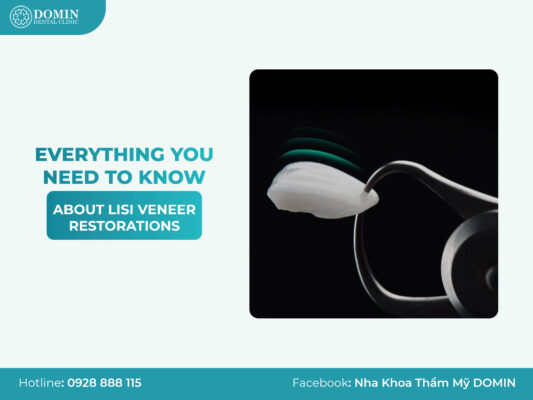
Lisi porcelain veneers are often referred to as “ultra-thin, highly translucent, and as durable as natural teeth.” But what makes Lisi veneers stand out? Should...


 Tiếng Việt