Tiếng Việt
Porcelain veneers for the front teeth are among the most popular cosmetic dental choices — and for good reason.
The front teeth are the “focal point” of every smile, and even minor imperfections can greatly affect facial aesthetics.
Veneer treatment is especially suitable for cases where the front teeth are stained, discolored, chipped, or have small gaps.
By covering these flaws with thin layers of high-quality porcelain, veneers create a brighter, more even, and naturally harmonious smile that enhances both appearance and confidence.
Why Are Front Teeth Most Commonly Recommended for Veneers?

The front teeth are the centerpiece of your smile — and the first feature people notice when you speak or interact.
That’s why even minor imperfections in this area are highly visible and can significantly affect overall facial aesthetics and confidence.
Common issues with front teeth include yellowing or discoloration resistant to whitening, chipping or minor fractures from impact, small gaps, or teeth that are uneven in size compared to neighboring teeth.
While these problems may not impair chewing function, they often have a strong impact on how confident you feel when smiling or communicating.
Porcelain veneers offer an effective, minimally invasive solution for all of the above.
With just a thin layer of porcelain applied to the tooth surface, veneers can quickly improve color, shape, and proportions, restoring harmony to your smile.
A key advantage of this method is that it requires no braces or full crowns, helping to preserve natural tooth structure while achieving a beautiful, balanced, and natural-looking result.
How Are Front-Tooth Veneers Different from Veneers on Other Teeth?

Applying veneers on the front teeth demands far greater precision than on any other teeth, as these are the most aesthetically visible part of your smile.
Even the slightest mismatch in color, shape, or proportion can be easily noticeable, disrupting the harmony of the entire smile.
1. Color and Translucency Accuracy
Front-tooth veneers must achieve near-perfect translucency, brightness, and shade matching.
If the veneer color is inconsistent with adjacent teeth—especially the neighboring incisors—the final result may look artificial and lack the natural elegance desired in cosmetic dentistry.
2. Shape and Proportion Harmony
The veneer’s shape must be designed according to the facial proportions and dental arch symmetry.
Front teeth that appear too long, too wide, or disproportionate to the surrounding teeth can throw off the balance of the smile, even if the individual veneer itself looks beautiful.
3. Strength and Adhesion
Although the front teeth don’t bear the same chewing force as molars, they are heavily involved in biting and speech articulation.
Therefore, veneers in this area must provide strong bonding and mechanical durability to prevent chipping or debonding during daily use.
Because of these specific demands, front-tooth veneer placement requires exceptional accuracy in design, color selection, and bonding technique.
When performed correctly, the result is a natural, seamless restoration that blends perfectly with real teeth — combining lasting durability with impeccable aesthetics.
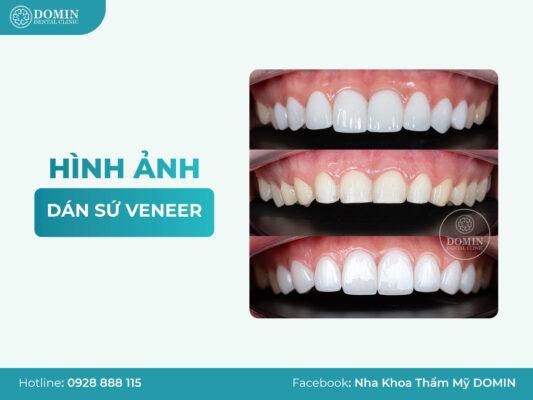
Real Cases: Before and After Front-Tooth Veneers
Front-tooth veneers are widely applied in various clinical situations, offering a quick and effective way to correct common dental imperfections while delivering a remarkable improvement in smile aesthetics.
This procedure can address a range of issues — from discoloration, chipped or worn edges, small gaps, and uneven tooth shape — to restoring symmetry and brightness for a confident, natural-looking smile.
Through precise planning and modern veneer technology, patients often experience a dramatic transformation after treatment, with front teeth that appear perfectly aligned, proportionate, and naturally radiant.


Important Considerations Before Getting Front-Tooth Veneers
Front-tooth veneer placement is a highly precise cosmetic procedure and is only suitable for certain clinical conditions.
Before proceeding, patients should carefully evaluate the following key factors:
1. Condition of the Natural Teeth
Veneers are only recommended when the teeth are healthy, structurally stable, and free from major dental diseases such as deep cavities, pulpitis, or severe fractures.
If the tooth structure is too compromised, a full-coverage crown or another restorative solution will be more appropriate.
2. Enamel Thickness
For veneers to bond securely, the tooth must retain an adequate enamel layer.
Teeth that have been heavily worn down or previously treated multiple times may have insufficient enamel, which can reduce bonding strength and affect the longevity of the restoration.
3. Color and Harmony
Because the front teeth are the most visible, color selection must be perfectly matched with the rest of the smile.
A single veneer that is too white or slightly off-shade can appear unnatural.
For this reason, dentists often recommend veneering both central incisors or the entire visible smile zone instead of just one tooth, ensuring symmetry and consistency.
4. Patient Expectations
Many patients wish for “perfectly white teeth,” but ultra-white shades can sometimes look artificial and clash with one’s skin tone or facial features.
Discussing expectations clearly with the dentist allows for a personalized veneer design that enhances beauty while maintaining natural harmony.
5. Dentist’s Expertise and Technique

Applying veneers on the front teeth is not merely a technical procedure — it is an art of aesthetic design.
Even the slightest inaccuracy in tooth preparation, color selection, or shape contouring can make the final result look unnatural.
That’s why the dentist’s expertise and artistic vision play a decisive role in achieving a perfect, lifelike smile.
In essence, placing a front-tooth veneer is far more than covering a tooth with porcelain.
It’s a comprehensive process that requires a detailed assessment of tooth condition, bite alignment, facial harmony, color, shape, and patient expectations.
Only when all these elements are properly balanced can veneers deliver their full value — combining long-lasting function with superior aesthetics.
How to Care for Front-Tooth Veneers
To ensure your veneers maintain their strength and natural beauty over time, proper post-treatment care is essential.
Below are several key recommendations from dental experts:
Daily Habits
Avoid using your front teeth to bite into hard objects such as ice, bones, crab shells, or nutshells.
Likewise, refrain from harmful habits like opening bottles, chewing on pens, or biting fingernails, as these can chip or crack the veneer and shorten its lifespan.

Oral Hygiene After Getting Front-Tooth Veneers
When it comes to daily oral care, it’s important to brush 2–3 times per day using a soft-bristled toothbrush to avoid scratching or wearing down the porcelain surface.
Complement brushing with dental floss or a water flosser to clean between teeth and along the gumline, preventing plaque buildup and gingivitis around the veneer margins.
Use a mild antiseptic mouthwash to maintain freshness and reduce bacteria, but avoid products with strong bleaching or alcohol-based formulas that can damage the veneer surface over time.
Your dietary habits also play a key role. Limit frequent consumption of coffee, dark tea, red wine, and tobacco, as these can cause staining.
If you do consume them, rinse or drink water immediately afterward to minimize discoloration and maintain the veneer’s brightness.
Regular Checkups
In addition to proper at-home care, it’s crucial to schedule dental checkups every six months.
These follow-up visits allow your dentist to check the bonding integrity, gum health, and veneer color stability, and to address any early signs of chipping, sensitivity, or inflammation.
A consistent maintenance routine combined with professional follow-ups helps veneers last 10–15 years or more, while keeping your smile healthy, bright, and confident.
Final Thoughts
Front-tooth veneers are more than just a cosmetic enhancement — they are a specialized solution for the most visible and expressive teeth in your smile.
This technique not only corrects imperfections in color, shape, and proportion but also preserves natural tooth structure, delivering a result that looks beautifully harmonious and natural.
If you’re ready to transform your smile with confidence and precision, contact Domin Dental Clinic today for a free consultation and discover a customized veneer solution designed just for you.